About
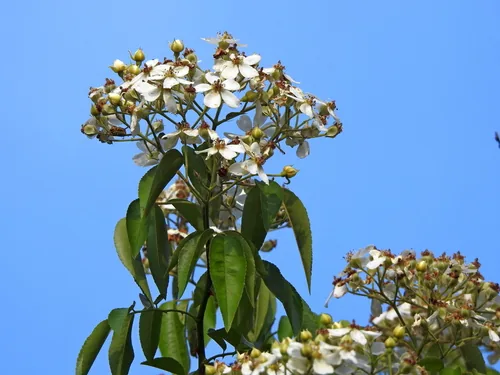
Elder is a fast-suckering shrub or small tree famous for foamy white flower clusters that smell like summer sneaked into a beehive. Berries and flowers are edible only with correct prep — raw green berries and bark are not snack food. In subtropical and tropical Americas, native American elder (often treated as Sambucus canadensis) behaves similarly; this entry centers the common European type many cultivars derive from. Full sun to part shade; more sun usually means heavier bloom. Likes steady moisture but tolerates average garden soils; mulch keeps roots cool in Panhandle heat. Hardwood cuttings in dormancy root readily. Root suckers can be dug and transplanted. Seed needs stratification and patience; named varieties are cloned. PermieBro note: plant where you can mow or chop suckers, or you will invent new curse words. Elderflower: pick berries when fully colored and detach with a gentle tug -- whitish bloom still present is fine. Cool mornings beat hot afternoons for shelf life; chill soon if not eating the same day. Freeze dry on trays before bagging so berries do not fuse into a single ice meteor.
Permaculture Functions
- Edible: Cream corymbs picked fully open the same morning go to cordial, fritters, or sparkling ferment while perfume is high -- ripe purple-black berry clusters need heat before sugar peaks; cook or ferment berries and skip raw green fruit, bark, and leaves because of cyanogenic glycosides in those tissues.
- Medicinal: Hot water on fresh or dried flowers is the classic winter infusion paired with ripe-berry syrup from the same shrub -- keep internal use to documented preparations and species ID so you are not guessing chemistry on look-alikes.
- Wildlife Attractor: Open shallow flowers load pollen on early-season honeybees and solitary bees -- soft fruit later feeds thrushes and waxwings if you leave outer clusters after your harvest pass.
- Border Plant: Multi-stem Sambucus fills fence lines and lane edges at shrub height where you still want winter sun on low beds -- mow or dig suckers on the garden side so the row does not eat your paths.
- Mulcher: Twice-yearly hard trim of soft stems drops a lot of high-nitrogen leaf litter straight onto guild roots under the canopy -- material rots fast enough to feed heavy feeders the next season if you time cuts after bloom or after fruit.
Companion Planting
- Shallow dry baked sand with zero irrigation establishment period