About
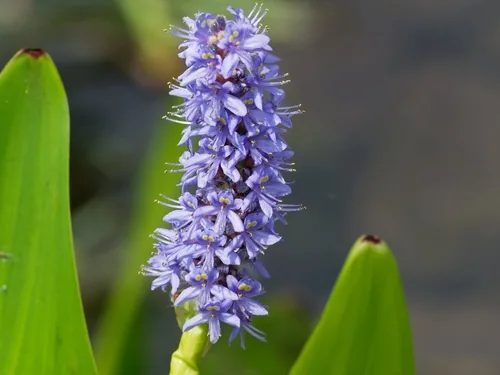
Pickerelweed is the classic emergent pond plant with glossy leaves and spikes of blue-purple flowers that look designed for dragonflies. Young leaf stalks and seeds have food use histories; positive ID and clean water matter — do not forage next to stormwater outflows named after chemicals. In subtropical and tropical Americas it spreads politely in shallow margins and helps clarify water by catching silt. Full sun for best bloom; tolerates light shade with fewer flowers. Roots in submerged soil 6-18 inches of water typical; stabilizes pond edges. Divide rhizomes in spring. Seeds germinate in warm wet conditions. Great in a frog hotel; terrible in a dry rock garden unless you enjoy brown archaeology. Harvest Pickerelweed in warm active growth when leaves or shoots look crisp, before yellow water-stress marches in. Morning picks ship better than wilted afternoon drama -- rinse grit in clean water, not pond soup. Use quickly or blanch and freeze; aquatic tissues turn slimy faster than upland herbs in plastic bags.
Permaculture Functions
- Edible: Pontederia cordata young leaf petioles and starchy seeds entered Indigenous and regional kitchens after careful cleaning -- harvest only from clean water you would swim in; cook shoots like asparagus, parch seeds like tiny rice if ID is certain.
- Wildlife Attractor: Spikes of blue-purple flowers feed long-tongued bees; submerged rhizomes give cover for small fish, tadpoles, and dragonfly nymphs -- expect redwing blackbirds to weave nest flags into tall spikes.
- Ornamental: Glossy sagittate leaves and vertical bloom wands read as designed wetland architecture -- beats plastic heron decoys for honest pond-edge drama.
- Water Purification: Emergent rhizomes and stems uptake dissolved phosphorus and nitrogen -- established stands measurably reduce nutrient load in pond and wetland edges.
Companion Planting