About
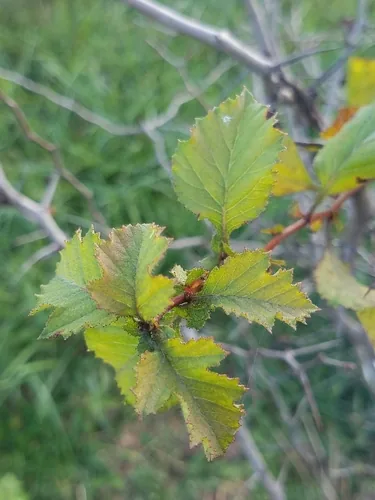
Southern hawthorn (Crataegus flava) is a small native tree of southeastern North American wood margins, bearing showy white spring flowers and yellow to orange pomes ripening in summer—earlier than many hawthorns. Plants reach 15–25 feet (4.5–7.5 m), often thorny and wide-crowned. Fruit supports jellies for patient cooks; birds arrive for the leftovers. Full sun to partial shade; best fruiting with strong light. Moist, well-drained loams suit it; tolerates clay if drainage moves. Mulch to reduce competition; water during establishment droughts. Sow stratified seed; graft known selections if you find superior fruit. Prune for open vase shape to reduce leaf diseases. Pick fruit when color shifts fully and flesh yields slightly—process into jelly quickly. Bloom peaks in spring after frost risk falls near 32°F (0°C) for local climate.
Permaculture Functions
- Wildlife Attractor: Crataegus flava flat-topped bloom clouds feed bees before pear bloom -- while yellow pomes fuel thrushes earlier than persimmon mast drops.
- Edible: Summer-ripening yellow fruit needs sugar and pectin discipline for jam -- flavor stays tart even when fully colored.
- Border Plant: Glossy thorned branches sheer into livestock barriers along humid woodland margins -- when laid hedges matter more than curb appeal.
- Erosion Control: Fibrous roots knit sandy creek banks under semi-shade -- where turf keeps failing after floods.
Companion Planting
- Fire Blight — prune strikes during dry weather
- Hawthorn ID arguments—carry a regional key before internet debates
Threats & Pressure
- Aphids
- Apple Maggot
- Bagworm
- Blackberry Psyllid
- Cherry Fruit Fly
- Codling Moth
- Cyclamen Mite
- Fall Webworm
- Japanese Beetles
- Lesser Peachtree Borer
- Oriental Fruit Fly
- Oriental Fruit Moth
- Peach Twig Borer
- Peachtree Borer
- Pear Psylla
- Plum Curculio
- Raspberry Beetle
- Raspberry Cane Borer
- Rose Slug
- Sparganothis Fruitworm
- Spittlebugs
- Stink Bug
- Strawberry Root Weevil
- Twig Girdlers
- Vine Weevil
- Gall Mite
- Rust Mite
- Spotted Lanternfly
- Brown Marmorated Stink Bug
- Eastern Tent Caterpillar
- Harlequin Ladybird
- Tent Caterpillar