About
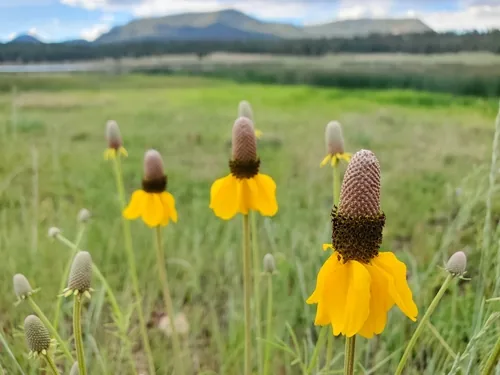
Yellow coneflower (Rudbeckia laciniata) is a robust perennial of moist North American meadows, stream edges, and rain gardens, with deeply cut leaves and bright yellow rays around tall greenish central cones on stems often 3–8 feet (0.9–2.4 m). It tolerates wet feet better than many rudbeckias, making it valuable in swales and pond margins where color is needed without drainage denial. Full sun to light partial shade; best flowering with strong light. Moist to average, well-drained soils suit it; tolerates seasonal wetness. Mulch to keep roots cool; avoid stagnant anaerobic muck over crowns. Divide clumps in spring; sow seed with cold stratification. Cut back in late winter if tidy gardens matter. Cut flowers when rays are fresh for tall bouquets. Leave seed heads for finches. Peak bloom tracks mid-to-late warm season.
Permaculture Functions
- Pollinator: Rudbeckia laciniata green cones and drooping yellow rays feed long-tongued bees and butterflies through humid summer -- cutleaf foliage distinguishes it from blunt-leaved rudbeckias.
- Wildlife Attractor: Goldfinches shred seed heads in fall -- hollow stems overwinter cavity-nesting bees if you delay cleanup.
- Ornamental: 2--2.4 m tall meadow architecture -- back-of-border placement unless you enjoy hiding shorter plants.
- Erosion Control: Fibrous clumps hold rain-garden swales and pond shelves -- tolerates seasonal wet better than upland coneflowers.
Companion Planting
- Dry xeric berms without irrigation — stunted plants and fewer flowers
- Tall stature — site at back of borders unless you enjoy hiding shorter plants
Threats & Pressure