About
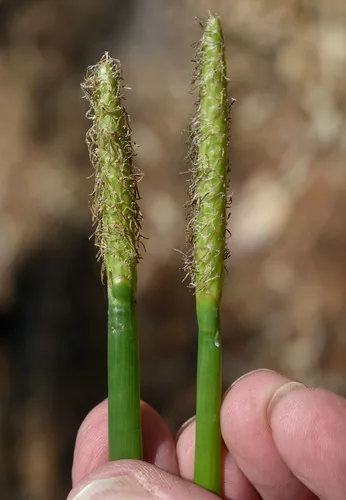
Chinese water chestnut (Eleocharis dulcis) is a sedge, not the spiky invasive Trapa monster. It grows in shallow paddies and tubs, forming crisp corms that crunch in stir-fries—if you keep the water warm enough through the growing season. subtropical and tropical Americas: Treat as a long-season annual crop in ponds, stock tanks, or IBC rigs; winter chill at the cooler end of its Florida range can shut the party down—harvest corms before cold stalls growth. In Puerto Rico's wet season, watch for overheated shallow water and top up evaporation losses. Full sun for best corm fill; partial sun works but yields slacken. Shallow flooded soil or saturated muck 4–8 inches deep over a loamy bottom; keep invasive floating "water chestnuts" (Trapa spp.) out of your ethics and your ecology. Replant sound corms after the last cool snap in frost pockets; in zone 10+ start whenever water stays steadily warm. Divide dense clumps inside contained systems only—never open storm drains. Drain beds in late season, dig corms, and cure briefly before refrigeration; eat peeled and sliced raw or cooked.
Permaculture Functions
- Edible: Crisp underground corms of Eleocharis dulcis peel to white disks that stay crunchy in stir-fries -- and salads, unlike the unrelated spiny Trapa nuts.
- Water Purification: Dense sedge roots and their biofilm strip nitrogen -- and phosphorus from shallow paddies and stock tanks, starving algae when hydraulic retention time matches plant mass.
- Aquatic: Rush-like tufts define the shallow-water layer in chinampa tubs, rice paddies, -- and pond margins where a few inches of flooded soil sit over a sealed liner.
- Biomass: Post-harvest tops and root sheaths compost into bulky mulch for nearby vegetable beds once beds are drained -- and corms are lifted.
Companion Planting
- Open waterways where escape is possible
- Confusion with invasive water chestnut (Trapa species)
Threats & Pressure