About
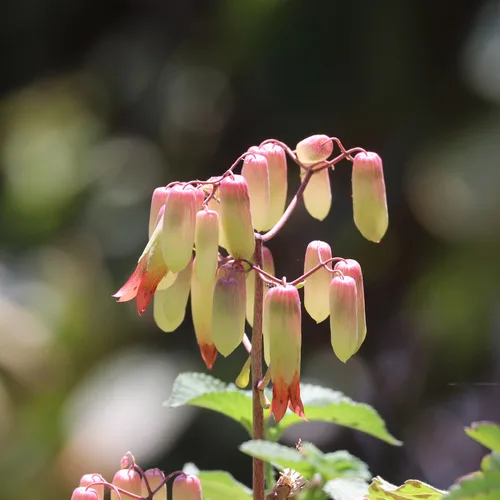
Leaf of life (Kalanchoe pinnata) is a succulent perennial with thick, scalloped leaves that produce complete plantlets along leaf notches—each baby can root where it falls, which is why the species spreads fast in warm, dry garden floors. Native to Madagascar and naturalized across humid tropics and subtropics, it shows up in Caribbean and Latin American food–medicine traditions for teas, poultices, and topical use stories you should verify with clinicians before treating anything serious. In permaculture it is a drought-honest ground-layer herb for bright shade to sun edges where drainage is sharp and irrigation is not a hobby. Bright light to partial shade; soft morning sun and afternoon shade reduces tip burn in hottest zones. Extremely drought-tolerant once established; water deeply then let soil dry—wet feet rot crowns faster than aphid drama. Sandy, rocky, or gravelly well-drained soil; containers need drainage holes that actually drain, not symbolic ones. Plantlets: detach marginal plantlets once they show roots and pot or tuck into soil—clonal and fast. Leaf sections: lay thick cuttings on moist gritty mix until plantlets initiate. Stem cuttings: use clean, callused ends in warm seasons; avoid crowding that hides mealybug condos. Harvest mature leaves any season in frost-free cycles; younger leaves are often milder for kitchen experiments. For topical use folk practice sometimes scores the waxy cuticle—research safe preparation before you paste leaves on skin. Dry leaves in airflow, not sealed plastic bags, if you store for tea—mold is not a fermentation flex. Bufadienolide-type compounds in the plant can be toxic to livestock and pets at quantity; human use overlaps with pregnancy contraindications in some references—treat identity and dosage as serious chemistry, not patio gossip.
Permaculture Functions
- Edible: Kalanchoe pinnata young leaves enter Caribbean soups as slimy thickeners -- keep portions small and follow documented recipes because bufadienolides accumulate enough to harm livestock and pets at volume.
- Medicinal: Crushed leaf poultices show up in tropical first-aid for bruises and topical infections -- internal use overlaps with cardiac glycoside risk, so coordinate with clinicians instead of self-dosing leaf tea for hypertension.
- Ground Cover: Plantlets root along leaf margins and drop to form weed-suppressing mats on dry berms -- containment matters because naturalized populations escape into tile roofs and sidewalk cracks.
- Ornamental: Scalloped blue-green leaves and miniature clones along the rim read alien -- showcase in pots where drainage is sharp and neighbors forgive occasional baby plant litter.
- Border Plant: Low mounds mark the edge between foot traffic and succulent beds -- spikes of greenish flowers attract pollinators if you stop deleting inflorescences for a week.
Threats & Pressure