About
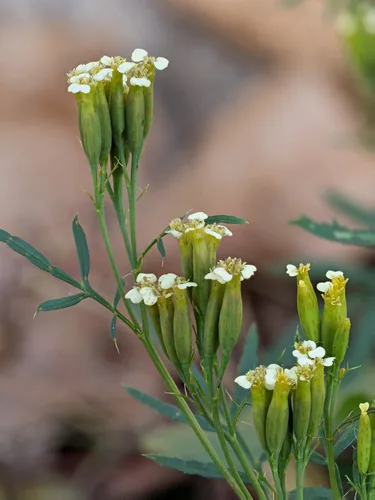
Huacatay is a tall, pungent marigold relative used in Andean cooking—think cilantro’s weird cousin who lifts weights. The smell is strong enough to split a room; some insects agree and move out. In subtropical and tropical Americas grow it as a warm-season annual unless you are in a frost-free pocket. Do not assume “herb” means “plant anywhere next to delicate seedlings without consequences”—it can bully neighbors through scent chemistry. Full sun for sturdy stems and aromatic oils. Average to rich, well-drained soil; steady moisture while young, tolerates short dry spells once tall. Seeds: surface sow warm; light helps germination. Self-sows in mild winters—deadhead if you dislike volunteer committees. Harvest young leaves for culinary use; flavor is potent—start small in recipes.
Permaculture Functions
- Edible: Tagetes minuta leaves bring intense black-mint, cilantro-adjacent flavor to Andean stews and ají -- start with small pinches because heat and concentration can overpower a pot faster than polite herbs.
- Pest Management: High loads of tagetone and ocimene volatiles repel or confuse nematodes and some insect herbivores in intercropping trials -- results hinge on biomass and timing, not a single seedling waved like incense.
- Border Plant: Six-foot aromatic walls screen compost piles and poultry yards -- place downwind of delicate seedlings because root exudates can bully light-feeding neighbors.
Companion Planting
- Tiny seedlings sensitive to allelopathic drama
- Low spots that stay soggy and rot stems
Threats & Pressure