About
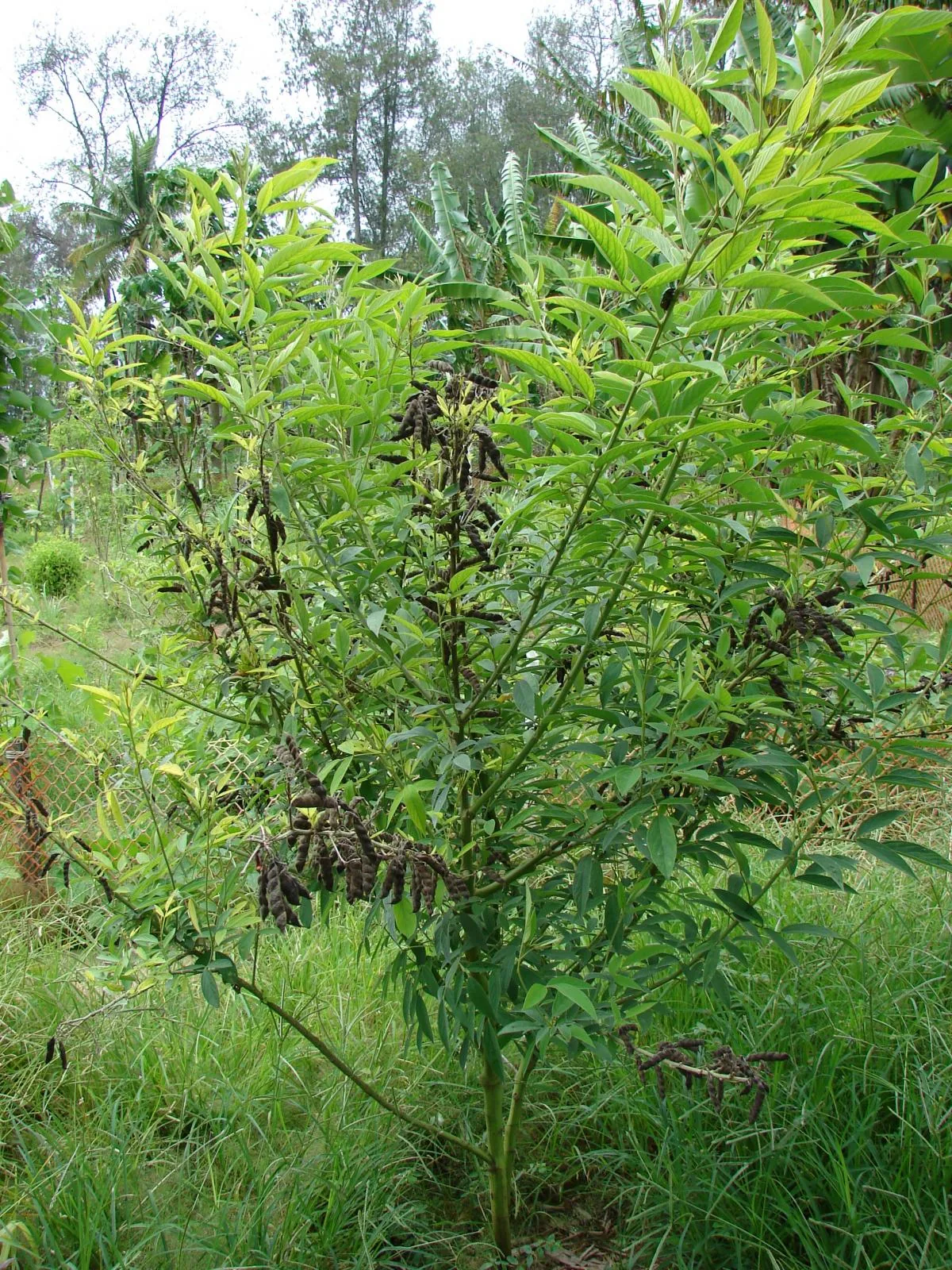
Pigeon Pea (Cajanus cajan) is a fast-growing, drought-resistant shrub that can reach up to 3-5 meters (10-16 feet) tall. It produces small, oval green to brown pods containing edible seeds, commonly used in traditional dishes. The plant is highly resilient, thriving in poor soils and restoring fertility through nitrogen fixation. It is valued for its ability to improve degraded land and its use as a windbreak. Prefers full sun but can tolerate partial shade. Grows best in well-drained, sandy or loamy soils. Drought-tolerant but benefits from occasional deep watering during dry periods. Seed: Direct sowing is the most common method, with seeds germinating in 10-15 days. Cuttings: Can be propagated from semi-hardwood cuttings for faster establishment. Pods mature 4-6 months after planting. Young green pods can be harvested for fresh consumption. Dried seeds are ready for harvest when the pods turn brown and brittle.
Permaculture Functions
- Edible: Young green pods go straight into dal and rice pots -- mature tan pods shell into 20-25% protein seed that stores dry for months and grinds into flour for flatbreads.
- Nitrogen Fixer: Woody shrub legume nodulates on lateral roots -- interplant with cassava, banana, or maize so fixed nitrogen shows up as darker leaf color in neighbors within one season.
- Mulcher: Thin branches and compound leaves shed after pruning make a low-lignin mulch that feeds soil fungi without matting like grass hay -- cut before pods shatter if you do not want volunteers.
- Dynamic Accumulator: Deep taproot pulls phosphorus and micronutrients from weathered subsoil into leaf fall that lands under the canopy -- for shallow-rooted companions.
- Erosion Control: Lateral roots spread wide on degraded slopes in the dry tropics -- holding soil where annual cowpea would wash out in the first monsoon burst.
- Animal Fodder: Fresh leaf offers 15-18% crude protein for goats and cattle in the rangeland dry season -- dry leaf meal replaces part of purchased concentrate for backyard poultry flocks.
- Wildlife Attractor: Yellow pea flowers supply nectar to carpenter bees and honeybees -- dense twiggy growth gives songbirds escape cover at the field margin.
- Windbreaker: Single or double rows 6 to 10 feet tall slow desiccating winds -- across vegetable beds while still letting afternoon light in from the sides.
Companion Planting
- Onion
- Garlic
Threats & Pressure
- Aphids
- Banded Cucumber Beetle
- Bean Aphid
- Bean Leaf Beetle
- Bean Weevil
- Borers
- Corn Earworm
- Cowpea Curculio
- Fall Armyworm
- Kudzu Bug
- Locust Borer
- Locust Leaf Miner
- Lubber Grasshopper
- Pea Moth
- Pea Weevil
- Reniform Nematode
- Root Aphid
- Rootknot Nematodes
- Soybean Looper
- Spittlebugs
- Stink Bug
- Striped Cucumber Beetle
- Spotted Cucumber Beetle
- Brown Marmorated Stink Bug
- Harlequin Ladybird
- Velvetbean Caterpillar