About
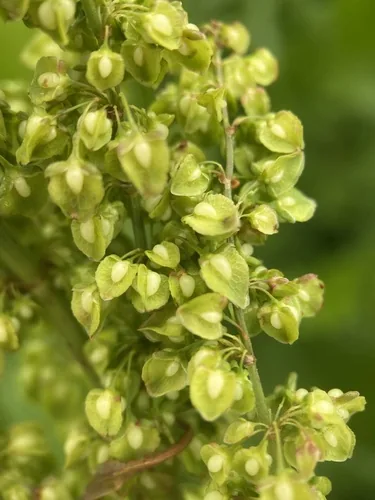
Yellow dock is a robust perennial weed with wavy-edged leaves, tall rust-colored seed spikes, and a taproot that laughs at your hoe. Young leaves are edible when cooked (oxalates—do not mainline raw salads). Roots are the classic bitter alterative of herbalism; seeds feed birds and your socks. It shows up in compacted, disturbed, or slightly acidic soils across pastures and garden edges. You can fight it or employ it—either way it has opinions. Full sun to part shade; tolerates poor fertility and seasonal wet/dry. Moderate moisture is fine; it is not an aquatic. Seeds by the million; root fragments resprout; transplant young rosettes in wet season if you insist on domesticating a feral accountant. Gather young leaves cooked for greens; dig roots on traditional schedules if medicine is your lane—oxalates still apply.
Permaculture Functions
- Edible: Rumex crispus young leaves need boiling to tame oxalates -- sour chard vibe; seeds grind as emergency flour if you enjoy frontier projects.
- Medicinal: Yellow root enters Western alterative formulas with anthraquinone bitterness -- constipation and pregnancy cautions are documented; dose like medicine, not salad.
- Dynamic Accumulator: Carrot-yellow taproot mines iron and potassium from subsoil -- chop leaves before seed rain if you do not want dock acres.
- Wildlife Attractor: Rusty seed panicles feed finches -- burrs cling to socks and dog fur, distributing plants to new compaction zones.
Companion Planting
- Low-fertility sand without any organic matter
Threats & Pressure