About
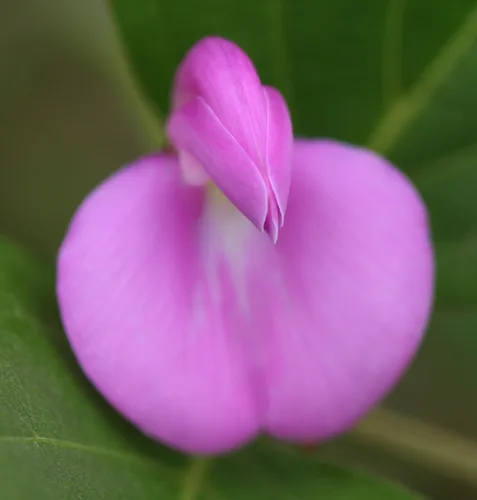
Jackbean (Canavalia ensiformis) is a warm-season legume grown for its ability to quickly build biomass, fix nitrogen, and produce large seeds used in food systems and as a fodder resource when properly processed. It forms twining vines with leathery leaves and produces long pods that hold seeds big enough to make you pay attention. In permaculture, it matters because it turns hungry soil time into living soil work: ground cover, nitrogen input, and harvestable biomass for mulch or feed cycles. Full sun; growth needs heat to really sprint. Water moderately during establishment; once established it tolerates typical warm-season dry spells. Prefers well-drained soil and does poorly in cold, wet ground. Avoid frost; cold stalls growth and can kill young vines. Seeds: soak seeds 12–24 hours to speed emergence; then direct-sow after soil warms. Seeds (spacing): plant thickly if your goal is ground cover, thinner if you want seed/pod production. Optional: re-sow after mowing to keep cover consistent through the season. Pods: harvest green pods for forage-style uses when they’re still tender. Seeds: harvest mature seeds when pods dry; process thoroughly before eating (never assume raw is safe). Biomass: cut vines for mulch when you’re ready to switch beds; residues decompose into soil carbon.
Permaculture Functions
- Nitrogen Fixer: Canavalia ensiformis nodulates with cowpea-group rhizobia, banking nitrogen in coarse vines -- incorporate residues before planting heavy-feeding brassicas or corn in the next warm window.
- Animal Fodder: Leaves and young pods work as silage and browse when vines stay vegetative -- mature seeds need long cooking or fermentation because raw legume lectins are toxic to mammals.
- Mulcher: Heat-loving vines smother weeds and return leafy biomass when slashed -- time mowing before pods lignify so mulch breaks down instead of forming a thatch mat over crowns.
Companion Planting