About
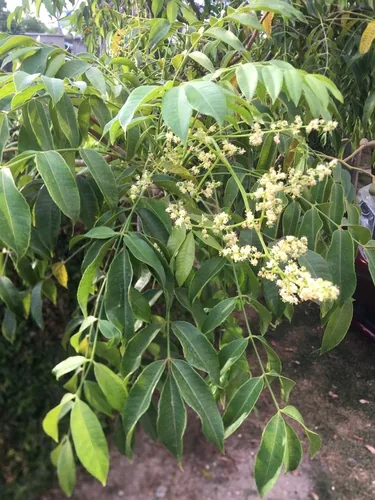
Spanish plum (Spondias purpurea) is a market label for jocote, a tropical deciduous tree bearing tart-sweet plum-like fruit ripening through warm wet-to-dry seasonal cycles across Latin America and the Caribbean. Trees commonly reach 15–30 feet (4.5–9 m), flowering on leafless wood before new growth flushes. It belongs with other Spondias in diversified warm orchards where acid-forward fruit diversifies drinks and preserves. Full sun for reliable fruiting; partial shade only for juveniles. Deep, well-drained soils with irrigation in dry seasons prevent fruit drop. Wind protection helps when loads peak. Graft known selections; seedlings vary. Prune after harvest for structure and height control. Pick when color and gentle yield align—lines vary from yellow to red. Process windfalls quickly to reduce fly pressure. Peak loads track local rainfall and heat, not temperate months.
Permaculture Functions
- Edible: Spondias purpurea jocote drupes shift from sour green to honeyed red -- Central American kitchens pickle, boil in syrup, or eat fresh once sap warnings respect Anacardiaceae skin chemistry.
- Wildlife Attractor: Panicles of tiny flowers pull native bees before fruit swells into bird candy on backyard trees -- without netting discipline.
- Shade Provider: Open umbrella crowns shade juvenile coffee and cacao during seasonal leaf-out -- on tropical slopes.
- Windbreaker: Multiple stems planted on contour trim steady trades across Caribbean hillside lots -- before hardwood canopy closes.
Companion Planting
- Duplicate common names across Spondias—this entry is Spondias purpurea per Spanish plum/jocote usage
- Anacardiaceae sap sensitivity—gloves for heavy pruning if skin reacts
Threats & Pressure