About
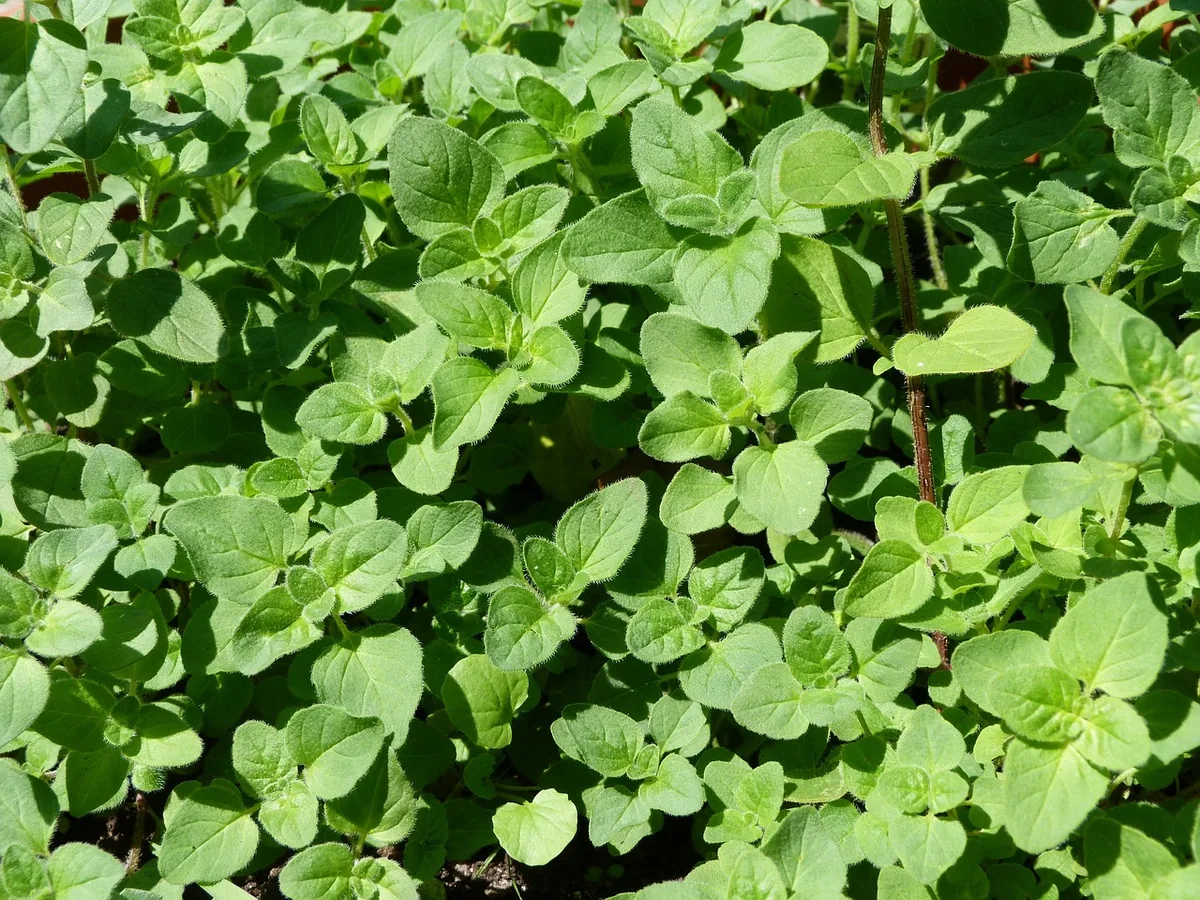
Oregano (Origanum vulgare) is a hardy, aromatic perennial herb native to the Mediterranean. It grows in clumps with small, dark green leaves and produces clusters of purple to pink flowers that attract pollinators. The plant is well-suited for dry, well-drained soils and is highly drought-tolerant once established. Known for its strong, pungent flavor, oregano is a staple in Mediterranean cuisine. Prefers full sun but tolerates partial shade. Thrives in well-drained, sandy or loamy soil. Drought-tolerant once established; requires moderate watering. Seeds: Direct sow or start indoors 6-8 weeks before the last frost. Cuttings: Stem cuttings root easily in water or soil. Division: Established plants can be divided and transplanted. Harvest leaves once the plant reaches at least 10 cm (4 in) tall. Cut stems just before flowering for the strongest flavor. Best harvested in the morning when oils are most concentrated.
Permaculture Functions
- Edible: Origanum vulgare leaves dry into pungent carvacrol-thymol seasoning for tomato sauces, za'atar blends, and oil infusions -- harvest before full bloom for kitchen potency, then let some spikes flower for insects.
- Medicinal: Steam-distilled oil and fresh-leaf teas anchor European respiratory and antimicrobial herb traditions -- therapeutic doses concentrate irritant phenols; keep medicinal use inside trained guidance, especially around pregnancy and infants.
- Pollinator: Pink-to-purple verticillaster spikes feed honeybees, bumble workers, and small solitary bees through dry Mediterranean summers when many herbs quit -- shear spent wands to encourage a second weaker flush.
- Wildlife Attractor: Dense insect traffic on flowering spikes pulls hoverflies and predatory wasps that hunt aphids on neighboring crops -- position bands along brassica bed shoulders, not hidden behind sheds.
- Mulcher: Post-bloom trimmings and end-of-season chop-and-drop lay aromatic mulch that slows slug migration across dry paths -- residues break down fast in heat, so stack deeper than you think on xeric berms.
- Dynamic Accumulator: Deepish roots mine calcium and trace minerals from limy soils into leaf tissue that composts back into surface layers -- pair with comfrey uphill if you want heavier potassium lift on the same terrace.
- Border Plant: Knee-high mounds edge stone paths, herb spirals, and orchard skirts where silver-green foliage reads year-round in frost-free sites -- creeping selections fill gaps without lawn pretense.
- Pest Management: Volatile monoterpenes released when leaves bruise mask cabbage-moth host cues along row ends -- still scout undersides because scent helps confusion, not annihilation, under heavy oviposition flights.
- Ground Cover: Prostrate selections root at nodes between stepping stones, tolerating occasional foot traffic and reflecting heat off pavers -- keep soil lean so flavor stays concentrated instead of turning bland on nitrogen guilt.
Companion Planting
Threats & Pressure