About
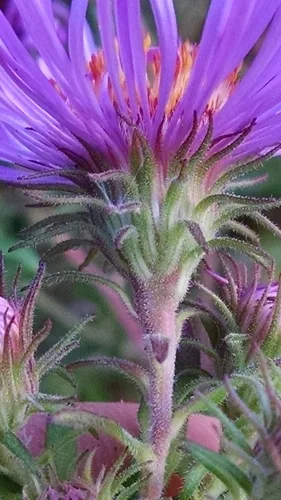
New England aster (Symphyotrichum novae-angliae) is a tall fall-blooming perennial of moist meadows and roadsides in eastern North America, bearing large violet to pink ray flowers with yellow centers. Plants reach 1 to 2 meters (3 to 6 feet) with lance-shaped leaves and sturdy stems that may need staking in rich garden soil. It is a flagship species for late-season pollinator support in restoration mixes. It fits rain garden backs, pollinator hedgerows, and meadow edges across cool-temperate to continental climates where summer heat is not extreme. Full sun keeps stems stiff; moist, fertile soil yields lush growth while lean, dry soils produce shorter, more self-supporting plants. Divide clumps every few years in spring to maintain vigor, or sow seed outdoors in fall after cold stratification. Cuttings root readily in summer. Deadhead early if height control is needed; leave late blooms for migrating bees and monarchs. Cut stems in late winter to preserve overwintering insects.
Permaculture Functions
- Pollinator: Late nectar supports monarchs and bumblebees during migration -- extends forage after goldenrod peaks in mixed stands.
- Wildlife Attractor: Seed heads feed finches in winter -- leave standing stems in habitat-focused beds.
- Ornamental: Large floral heads anchor back-of-border designs -- pair with grasses for contrast and support.
- Erosion Control: Fibrous roots stabilize moist banks -- useful on pond edges where periodic inundation occurs.
- Dynamic Accumulator: Fast seasonal growth draws nutrients from improved soils -- chop-and-drop in place with species that tolerate litter chemistry.
Companion Planting