About
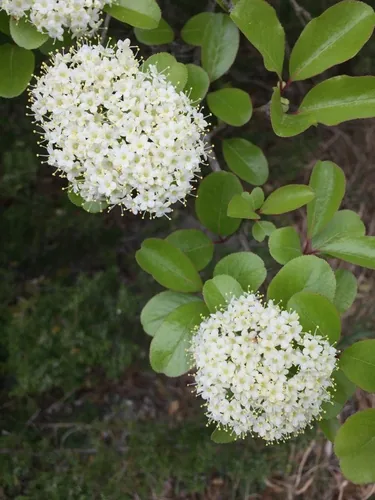
Rusty blackhaw (Viburnum rufidulum) is a deciduous shrub to small tree of southeastern and central North America, common in dry woods, thickets, and limestone glades. Leathery leaves and rusty-hairy twigs set it apart from smoother viburnums; blue-black drupes ripen for wildlife in autumn. It is a drought-tough native for hedges, bird plantings, and savanna restoration where possumhaw wants more moisture than you have. Full sun to partial shade; best flowering and fruiting with strong light. Drought tolerant once established; appreciates occasional deep watering in extreme heat. Well-drained soils; tolerates alkaline rocky ground. Seeds: double dormancy possible—sow fresh or stratify in stages. Softwood cuttings in early summer under mist. Transplant small container plants; older specimens resent bare-root moves. Fruit is edible when fully ripe but often astringent raw; jams appear in regional traditions. Leave most drupes for migrating birds. Prune after flowering to preserve next season’s bloom wood.
Permaculture Functions
- Edible: Blue-black Viburnum rufidulum drupes mellow toward autumn picking for jams with extra acid and sugar -- where regional cooks already treat high-tannin viburnum fruit.
- Wildlife Attractor: Flat creamy cymes feed small bees and syrphids in late spring -- lipid-rich seed inside the drupe feeds migrating songbirds when upland canopy fruit is thin.
- Border Plant: Dense multi-stem vase habit and thornless twigs build drought-tough informal hedges -- along fence lines and limestone glades.
- Ornamental: Leathery glossy foliage shows rusty hairs on young growth -- for honest field ID, and fall color shifts brick-red on dry upland sites.
Companion Planting
Threats & Pressure