About
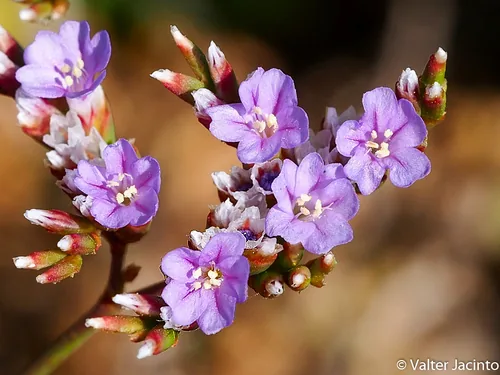
Sea lavender (Limonium carolinianum) is a perennial herb of salt marshes and coastal flats in eastern North America, sending up airy sprays of lavender flowers on wiry stems above basal rosettes. It tolerates salt spray and periodic inundation better than almost any cottage-garden perennial. Use it in brackish rain gardens, living shorelines, and pollinator bands where freshwater assumptions fail. Full sun; shade causes weak stems and reduced bloom. Moisture-loving with salinity; not a dry rock-garden plant unless you mimic tidal wetting. Sandy to muddy soils; add shell grit only if your design calls for it—do not randomize chemistry. Division in early spring before flower spikes elongate. Seeds: surface sow in moist brackish trays; germination improves with fluctuating temperatures. Transplant plugs after acclimating salinity slowly. Cut stems for dried flowers at peak color before seeds shatter if crafting. Leave plenty standing for late pollinators and seed-eating birds. Reduce nitrogen fertilizer; lush growth flops in wind and salt.
Permaculture Functions
- Ornamental: Limonium carolinianum sprays of lavender-pink calyces dry to crisp statice substitute -- for bouquets that tolerate salt-air storage sheds.
- Pollinator: Tiny plumbaginaceous flowers reward short-tongued bees and flies on gusty days -- when showy composites stay closed.
- Erosion Control: Roosting roots grip anaerobic mud through daily tidal pump cycles -- that scour less fibrous species.
- Wildlife Attractor: Papery seeds feed small marsh sparrows -- while rigid stems shelter spider webs that catch aerial plankton for the wrack-line food web.
Companion Planting
Threats & Pressure