About
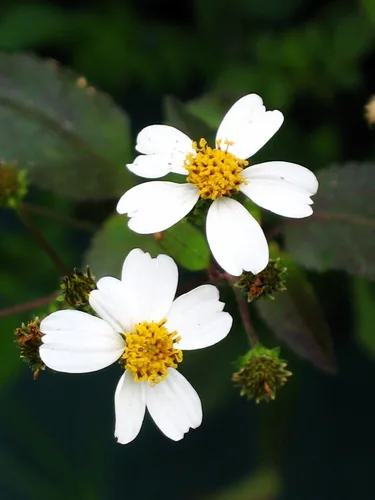
Tickseed sunflower (Bidens aristosa) is a warm-season annual to short-lived perennial composite native to much of the central and southeastern United States, including wet ditches and pond margins that show up after summer rains in Florida and Puerto Rico plantings if seed is introduced. Plants typically reach 1–1.5 m (3–5 ft) with bright yellow daisy-like heads and bristly seeds that snag socks like they mean it—plan placement away from high-traffic paths. Full sun to light shade; blooms heaviest with strong light. Likes consistent moisture—rain gardens, pond edges, or irrigated wildlife beds; tolerates brief drying better than desert species. In humid subtropical and tropical sites, give air space to reduce foliar disease pressure. Direct-sow seed outdoors after soil warms (late spring through summer in subtropical and tropical Americas); keep seedbed moist until true leaves appear. Collect dry heads in fall; cold-moist stratify only if your seed lot proves stubborn—many populations germinate readily without fuss. Young leaves are occasionally used like other mild greens—identify carefully and eat only from clean sites. Best landscape value is late summer through fall bloom for pollinators; leave some seed heads for finches and beneficial insect habitat.
Permaculture Functions
- Wildlife Attractor: Finches and other seed-eaters work the bristly achenes in fall -- leave some heads standing on pond margins and wet ditches where Bidens aristosa self-sows after summer rain.
- Pollinator: Late-summer to fall yellow radiate heads supply nectar and pollen when many meadow composites are already brown -- strong light keeps stems upright and bloom honest.
- Erosion Control: Fibrous roots and fast seasonal cover knit moist, disturbed banks after grading or flood scouring -- classic rain-garden and pond-edge workhorse in the Southeast and Puerto Rico introductions.
- Ornamental: Bright daisy-like heads on 1--1.5 m stems give a tall-grass-prairie read without needing Midwest postal codes -- just site away from sock-snagging paths.
- Edible: Young leaves are occasionally cooked like mild greens -- treat as a careful ID exercise from clean water, not a bulk salad strategy.
Companion Planting
Threats & Pressure