About
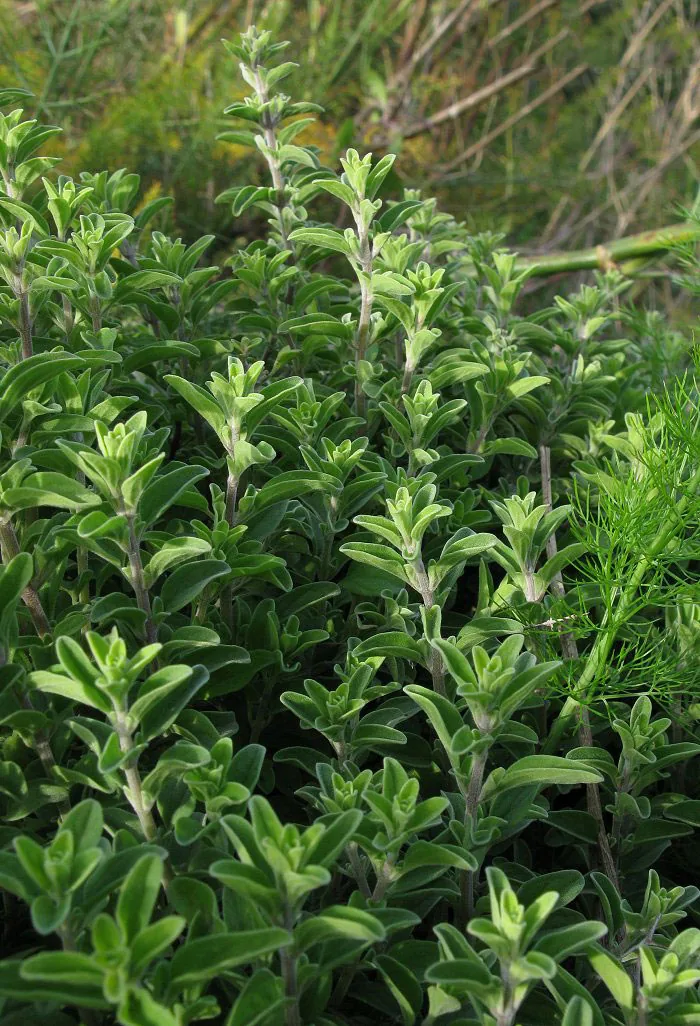
Marjoram (*Origanum majorana*) is a tender perennial herb native to the Mediterranean region, often cultivated as an annual in cooler climates. It grows to a height of 30-60 cm (12-24 inches) and features small, ovate, gray-green leaves with a smooth texture. The plant produces tiny, white to pale pink flowers arranged in knot-like clusters, blooming from mid to late summer. Marjoram thrives in full sun and well-drained, moderately fertile soil with a neutral to slightly alkaline pH. It is sensitive to frost and requires protection or indoor cultivation in colder regions. Seeds: Sow seeds indoors in early spring, covering them lightly with soil. Germination occurs within 10-14 days. Transplant seedlings outdoors after the last frost, spacing them 30 cm (12 inches) apart. Cuttings: Take 8-10 cm (3-4 inch) stem cuttings in late spring or early summer. Remove the lower leaves and plant the cuttings in a well-draining medium. Keep the soil moist and provide indirect light until roots develop. Sun: Prefers full sun exposure, requiring at least 6-8 hours of direct sunlight daily. Water: Water regularly to maintain consistent soil moisture, but avoid overwatering. Allow the top layer of soil to dry out slightly between waterings. Leaves: Harvest leaves just before the plant begins to flower for the best flavor. Regular harvesting encourages bushier growth. Cut stems in the morning after the dew has dried for optimal oil content.
Permaculture Functions
- Edible: Origanum majorana leaves carry sweet, pine-citrus notes milder than Greek oregano -- strip before flowering for peak flavor, then use fresh or dry slowly in thin layers so oils do not mold.
- Medicinal: Tea from dried tops enters European tradition for calming digestion and sleep -- safe at culinary doses; therapeutic extracts need allergy screening because Lamiaceae cross-reacts.
- Pollinator: Tiny white flowers in knot-like clusters feed small bees along bed fronts -- let some stems bloom if beneficial insect support matters more than single-note pesto oil.
- Ground Cover: Low, soft stems spread into aromatic mats between stepping stones -- tolerates light foot brushing better than tall basils but still hates compacted mud.