About
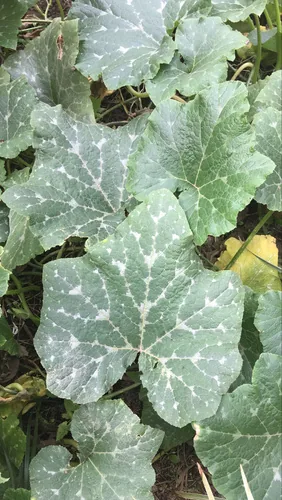
Seminole pumpkin is a heat-loving Cucurbita moschata landrace tied to Florida Indigenous agriculture—tough vines, hard-shelled fruit, and a reputation for shrugging off humidity that makes northern pumpkins sulk. Fruit is typically round to squat, tan or green-striped, with sweet orange flesh used like winter squash or calabaza. In subtropical and tropical Americas it behaves like a very long-season annual unless winter is mild; farther south old vines can persist and resprout, which is why it is often called perennial pumpkin country lore. Full sun (6–8+ hours) for strong vines and fruit set. Rich, well-drained soil; heavy feeders—compost or aged manure helps. Steady moisture while fruiting; avoid wet foliage overnight where powdery mildew thrives. Cut water slightly as fruit nears maturity for storage quality. Seed: Direct-sow after soil warms (~60°F+); in subtropical and tropical Americas many growers start indoors 2–3 weeks before last frost to beat the clock. Save seed from fully ripe fruit; this is a landrace—select from your best plants if you want local adaptation. Not a cutting crop; propagation is by seed only. When the stem corks and the rind resists a fingernail—before hard frost if you are on the cool edge of its range. Cure in warm dry air like other moschatas.
Permaculture Functions
- Edible: Cucurbita moschata Seminole strains yield hard-rind fruit with dense orange flesh that hangs on the vine through humid heat -- roast wedges or puree into soups after seeds toast for snacks.
- Ground Cover: Rampant vines tile orchard floors and arbor tops -- weeds lose light beneath humid subtropical polycultures within weeks of establishment.
- Animal Fodder: Older leaves and blemished squash roll into pig and poultry paddocks -- where landowners already track nightshade alkaloid limits.
Companion Planting
Also mentioned as companions:
- Corn
- Bean
Not yet profiled in PermiePortal
- Potato
Threats & Pressure