About
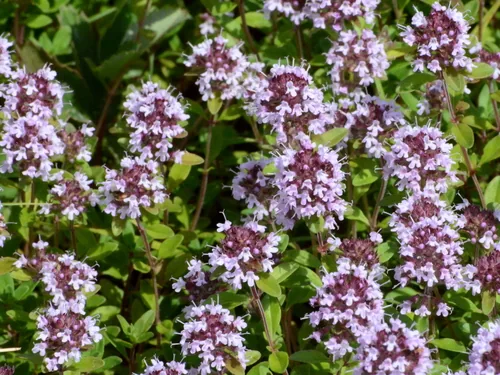
Creeping thyme is a low, mat-forming perennial herb that smells like pizza walked through a meadow. Tiny flowers mob bees in spring; leaves handle light foot traffic on paths if you are not trying to host a monster truck rally. In subtropical and tropical Americas it wants sharp drainage—humid wet winters will rot drama queens without grit. Full sun for dense growth and best flavor; open shade quickly becomes leggy and sparse. Lean, well-drained soil; drought-tolerant once established—wet clay is enemy number one. Division: lift mats in spring or fall and replant plugs. Soft cuttings root easily in warm weather under light humidity. Snip young growth for kitchen use; heavy shearing after bloom keeps mats tight and less woody.
Permaculture Functions
- Edible: Thymus serpyllum leaves carry true creeping-thyme flavor for kitchen use -- oil intensity rises on lean, sun-stressed mats between pavers.
- Medicinal: Thyme-family volatile oils support traditional antimicrobial and expectorant protocols -- dose from reputable references, not folklore alone.
- Pollinator: Spring lavender-pink to purple flowers feed small bees and syrphids -- when mats are sheared after bloom to stay dense.
- Ground Cover: Tolerates light foot traffic on dry paths and banks -- shear after flowering to keep woody centers from opening.
Companion Planting