About
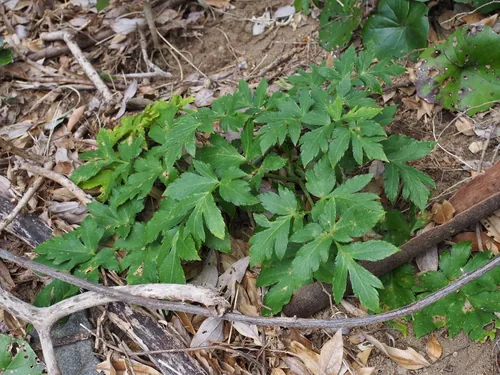
Ashitaba (Angelica keiskei) is a long-lived Japanese perennial umbellifer with thick celery-ish stems and glossy compound leaves; the common name nods to basal sprouting after cutting—"tomorrow leaf" folklore meets a plant that actually resprouts if the crown stays healthy. Mature clumps reach roughly 3–4 feet in humid shade gardens and throw umbels of small white flowers when allowed to bloom. Flavor is bitter-green; treat medicinal chatter online with the skepticism it earns. Part sun to bright shade in subtropical and tropical Americas; avoid blasting midday sun on shallow roots. Rich, moist, well-drained soil; steady humidity suits subtropical and tropical porches—never let containers dry to dust. Heavy mulch cools the root crown through humid summers and cuts splash-borne rot drama. Fresh seed (viability drops fast—sow soon after receipt) in warm, humid media. Crown division in warm wet weather; keep each piece rooted and shaded until new growth firms up. Snip young leaves and tender stem tips for small culinary trials—positive Apiaceae ID first, always. If saving seed, let a few stems flower for pollinators, then collect when umbels brown and dry.
Permaculture Functions
- Edible: Angelica keiskei young stems and leaves taste bitter-green in small quantities in Japanese mountain cookery -- Apiaceae ID is mandatory before salad experiments because deadly look-alikes share roadsides.
- Medicinal: Dried leaf and root preparations appear in East Asian materia medica for metabolic and circulatory protocols -- chalcones in yellow crown shoots drew supplement marketing; dose with vetted references, not forum stacks.
- Pollinator: White compound umbels feed small bees, tachinid flies, and parasitoid wasps when you allow second-year bloom instead of endless tip harvest -- shade cloth slows bolting if you need leaves through long-day heat.
- Ornamental: Thick glossy celery-like stems and bold pinnate leaves read as architectural shade-tropical filler beside ginger and turmeric pots -- heavy mulch keeps the crown cool where humidity spikes.
Companion Planting
- Blazing all-day sun and drought
- Confusing with toxic umbellifers—learn sterile keys
Threats & Pressure