About
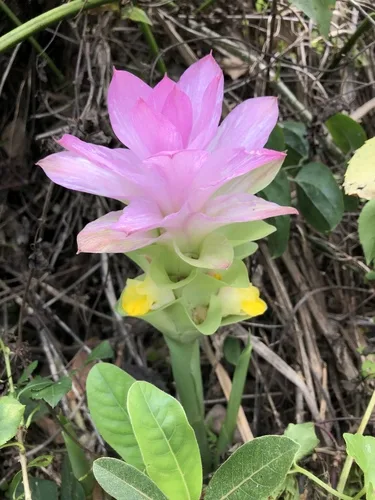
Turmeric ginger (Curcuma longa) is a tropical rhizomatous plant grown for its aromatic, golden rhizomes used as a spice and traditional herbal ingredient. Native to South Asia, it forms leafy clumps of strap-like foliage that can reach about 60–120 cm (24–47 in) tall in warm, fertile conditions. In permaculture, turmeric ginger matters because it converts heat and fertility into a high-value underground harvest, and its dense canopy shades soil while its rhizome system helps build organic-rich, living bed conditions over time. Partial shade to filtered sun is ideal; full sun can work with reliable moisture. Water consistently while the plant is actively growing; drought can shrink rhizomes. Prefers fertile, well-drained soil rich in compost. Avoid waterlogged beds; rhizomes rot when kept wet in cool weather. Rhizome division: split healthy rhizomes with at least one growth bud; plant warm-season after frost risk passes. Seeds (rare/advanced): start indoors when available; germination may take weeks and plants take longer to mature. Mulch helps: keep soil evenly moist after planting and add leaf litter as cover. Harvest rhizomes when foliage begins to die back, typically after 8–10+ months depending on climate. Dig carefully, remove only what you need, and replant smaller divisions. Cure in airflow after cleaning so the rhizomes dry and store well before grinding.
Permaculture Functions
- Edible: Curcuma longa rhizomes cure to bright orange starch for curry pastes, pickles, and golden milk -- harvest when leafy tops yellow after 8--10 months of frost-free growth.
- Medicinal: Curcuminoids drive anti-inflammatory tradition -- absorption jumps with black pepper and fat; check gallbladder and blood-thinner contraindications before megadosing garden rhizome.
- Dynamic Accumulator: Dense rhizome mats and broad leaves cycle potassium and micronutrients into mulch when frost kills tops -- chop senesced foliage back into the bed, not the compost bin only.
Companion Planting