About
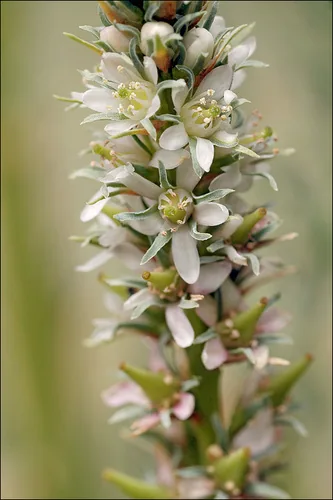
Tamarisk (often Tamarix ramosissima and kin) is a feathery-leaved shrub to small tree famous for surviving salt, drought, and human bad decisions. Tiny pink flowers cloak branch tips; roots can dive for groundwater like a straw in a milkshake. Size varies with species and site—many forms hit 10–20 feet if unmolested. subtropical and tropical Americas: Some Tamarix species appear in warm coastal plantings, but many lineages are invasive nightmares in arid western watersheds—check local regulations before you romanticize the flowers. In subtropical and tropical Americas, treat any planting as a legal and ecological homework assignment: native coastal species often outperform exotic saltcedar cosplay without the biodiversity invoice. Full sun; shade makes it sulk and thin out like a bad haircut. Extremely drought-tolerant once established; also tolerates saline soils—irrigation is optional flex, not need. Hardwood cuttings stuck in sandy soil root readily—this ease is partly why it escaped gardens. Seeds are tiny; direct sow on moist sand in warm conditions if you must propagate responsibly in permitted contexts. Best use timing is often “monitor and remove seed if invasive where you live”—permaculture includes exit strategies. Prune after bloom to reduce litter loads on patios; wear gloves—twigs are brittle drama.
Permaculture Functions
- Windbreaker: Tamarix ramosissima feathery crowns strip velocity off saline canal berms until regulators forbid planting -- where cottonwood succession belongs.
- Erosion Control: Deep taproots latch onto alkali washes but also lower water tables downstream -- pairing erosion wins with invaded river ethics haunts desert restoration groups.
- Wildlife Attractor: Pink spikelets produce heavy nectar weeks for migrating insects -- while twiggy stems hide flycatchers on reservoirs already dominated by saltcedar monocultures.
Companion Planting
Also mentioned as companions:
- Mesquite
- Yucca
Not yet profiled in PermiePortal
- Native willow restoration zones where tamarisk displaces recruitment
- Wet meadow sedge plantings needing open light hydrology
Threats & Pressure