About
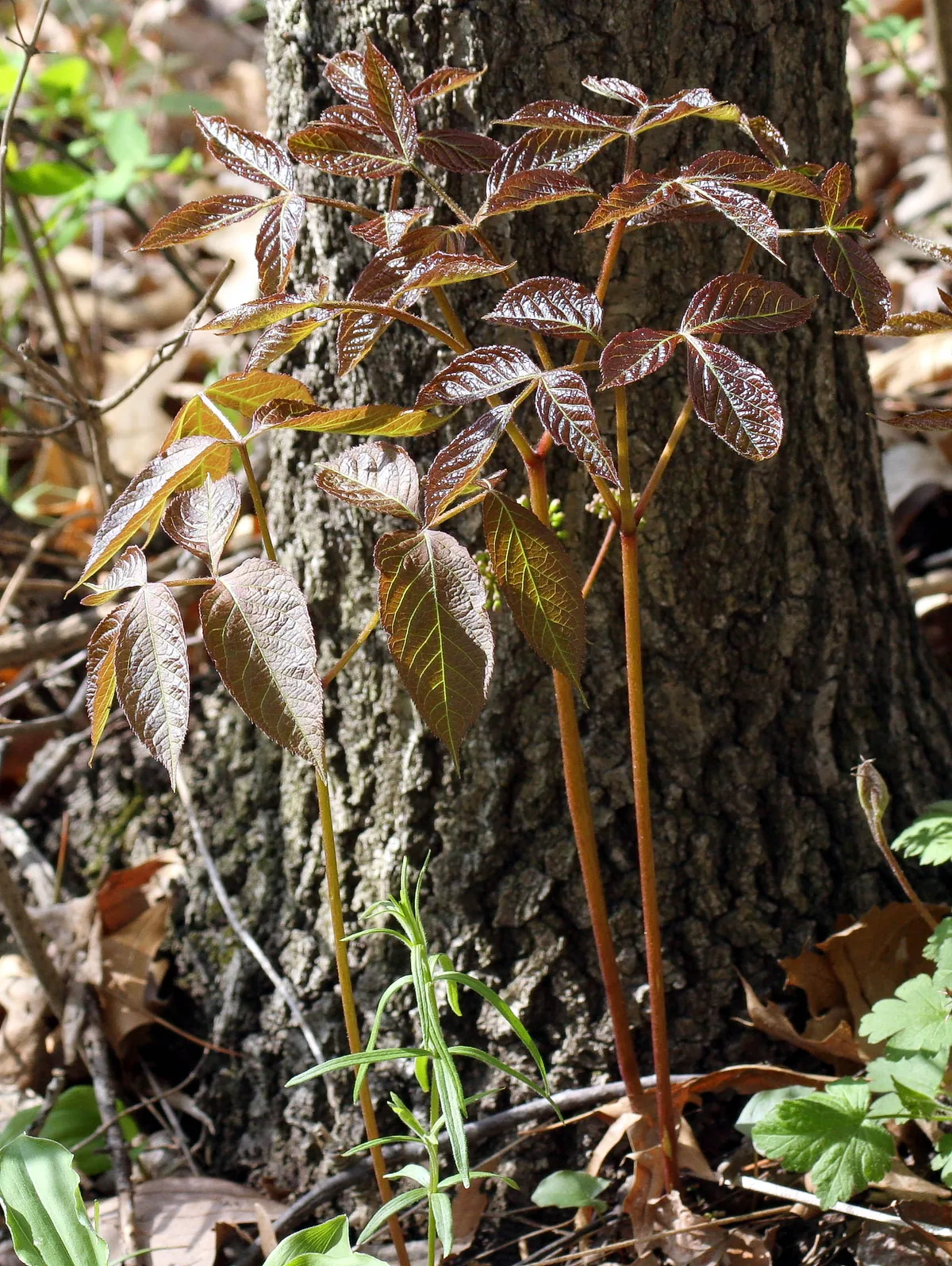
Wild sarsaparilla (Aralia nudicaulis) is a low woodland perennial of cool-temperate North American forests, spreading by rhizomes beneath leaf litter. A single leaf stalk splits into three compound leaves; separate leafless stalks carry spherical umbels of greenish flowers followed by dark berries on red pedicels. Roots have a long folk history distinct from tropical Smilax “sarsaparilla,” so common-name shopping must stay species-specific. Shade to dappled light; avoid full sun except in coolest summers. Moist, humus-rich, well-drained forest soils match ecology; tolerates dry shade once established but not drought on sandy ridges without mulch. Mimic forest floor with leaf mold. Sow seed after double dormancy cycles or fall sow outdoors for natural stratification. Divide rhizomes in early spring with patience—pieces are fragile. Transplant small offsets under nurse trees. Root harvest for herbal use only after patches are abundant and laws allow; rotate harvest zones. Berries are sparingly used in some traditions—verify safety and ID. Leave most fruit for wildlife.
Permaculture Functions
- Medicinal: Aralia nudicaulis rhizome is North American “sarsaparilla” root -- distinct from Smilax species; traditional tonic use requires correct ID and sustainable harvest rotation.
- Wildlife Attractor: Dark berries on red pedicels feed thrushes and small mammals -- spherical umbels buzz with early forest flies and bees.
- Ground Cover: Rhizomes wander under leaf litter forming low colonies -- no tall canopy layer; perfect under sugar maple.
- Edible: Berries are sparingly used in some traditions -- low reward, high ID stakes; leave most for wildlife until you propagate large patches.
Companion Planting
Also mentioned as companions:
- Trout Lily
Not yet profiled in PermiePortal
- Misidentification with other Aralia — root harvest demands confident ID skills
- Slow spread — do not overharvest small patches; think decades, not weekends