About
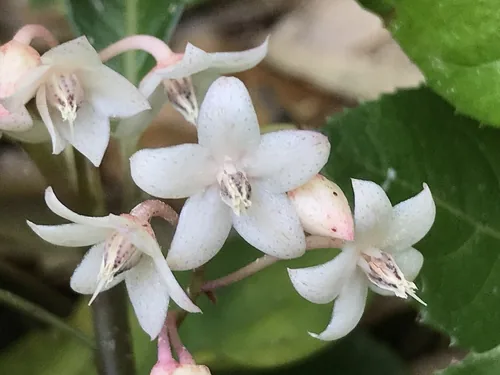
Marlberry (*Ardisia escallonioides*) is a native Florida shrub to small tree with leathery leaves, drooping clusters of small white flowers, and dark berries. It is shade-tolerant and often found in hardwood hammocks — exactly the kind of layered, low-light niche where grass worship fails and ecology wins. Do not confuse it with invasive coral ardisia (*Ardisia crenata*). This one belongs here; that one is the yard-invading cosplay. 💧 Sun and Water: Part shade to shade; tolerates some morning sun with adequate moisture. Likes steady organic moisture but needs drainage; mulch and humus mimic hammock floor conditions. Propagation: Seeds: sow ripe cleaned seed in a humid, well-drained medium; can be slow. Cuttings: hardwood or semi-hardwood with rooting hormone under humidity. Transplants: container plants; keep moist while roots establish. 🌾 Harvest / Best Use Timing: Marlberry: pick peak flavor when fruits soften slightly and detach easily -- birds are a parallel calendar. Harvest after dew dries to reduce mold in baskets. Jam batches same day if humidity is high; acid and sugar balance matter more than Instagram gloss.
Permaculture Functions
- Wildlife Attractor: Ardisia escallonioides dangling white flower clusters feed native bees while ink-black berries feed mockingbirds -- not the invasive coral ardisia; ID matters before you promote seedlings.
- Ornamental: Leathery, whorled leaves and tiered branching read tidy in partial-shade hammocks -- site under oak canopy where grass fails honestly.
- Shade Provider: Multi-stem habit filters light for wild coffee and coontie -- mulch with leaf litter, not dyed rock, so iron stays available on limestone.
- Edible: Berries are thin-pulped and stain everything -- taste is mild curiosity, not calorie planning; harvest into dark bowls if jam experiments matter.
Companion Planting
Also mentioned as companions:
- Fern
Not yet profiled in PermiePortal
- Invasive ground covers that smother seedlings
Threats & Pressure