About
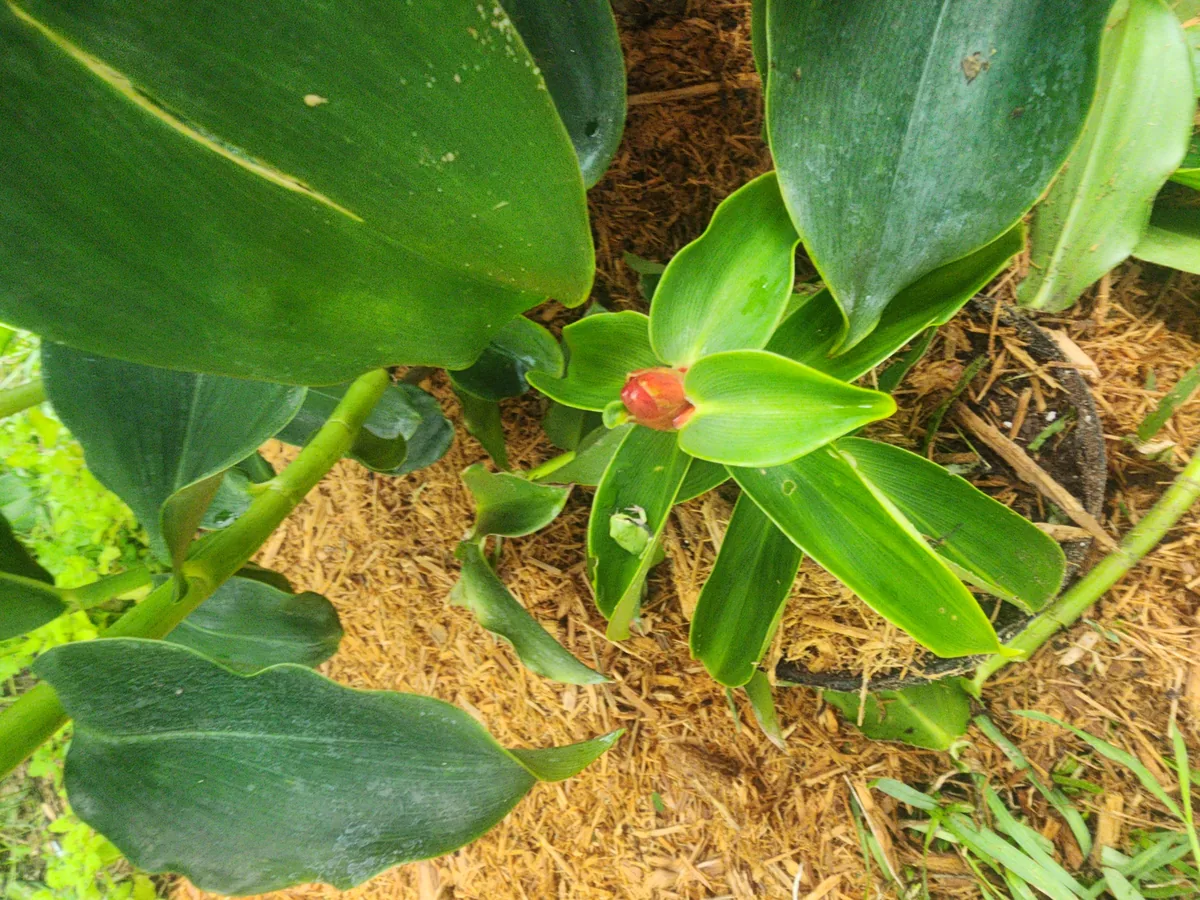
Red Button Ginger (*Costus woodsonii*) is a tropical, evergreen perennial native to Central and South America. It is renowned for its vibrant red, cone-shaped inflorescences from which yellow-orange flowers emerge sequentially, providing year-round visual interest. The plant typically grows to a height of 1–2 meters (3–6 feet) with lush, dark green, spirally arranged leaves. Prefers partial shade to bright indirect light; avoid strong, direct sunlight to prevent leaf burn. Thrives in consistently moist, well-drained soils rich in organic matter. Requires regular watering to maintain soil moisture but should not be waterlogged. Division: The most common method; divide rhizomes during the growing season ensuring each section has viable shoots. Stem Cuttings: Take 10–15 cm (4–6 inches) stem cuttings with at least one node; root in moist, well-draining medium. Harvest young shoots and flowers as needed throughout the year for culinary or medicinal use.
Permaculture Functions
- Edible: Costus woodsonii young rolled shoots slice into stir-fries like bamboo shoots while nectar-rich yellow flowers drop from red cones sequentially -- flavor stays mild; wash because ant partners often ride inflorescences indoors.
- Medicinal: Rhizome decoctions appear in Central American cough and fever teas tied to ginger-family volatile oils -- dose conservatively; pregnancy and anticoagulant interactions follow Zingiberaceae rules, not tourist folklore.
- Wildlife Attractor: Extrafloral nectaries on bracts feed aggressive ants that defend soft tissue from chewing insects; tubular yellow flowers still pull hummingbirds where ranges overlap -- design paths around ant highways honestly.
- Erosion Control: Fibrous rhizome mats knit irrigated shade berms on lateritic or sandy slopes -- pair with taro uphill so runoff spreads across ginger roots instead of carving gullies.
- Border Plant: Spiral-leafed stems to 2 m mark patio corners with red cone buttons year-round in frost-free humidity -- shear spent cones for tidy sight lines without removing all ant rewards if biocontrol matters.
- Ground Cover: Dense basal foliage shades weeds under palm trunks and workshop eaves where sun is bright but indirect -- still mulch because bare soil between spirals invites nutgrass when irrigation slips.
Field Observations
- No field observations yet
Companion Planting
- None specifically documented
Threats & Pressure