About
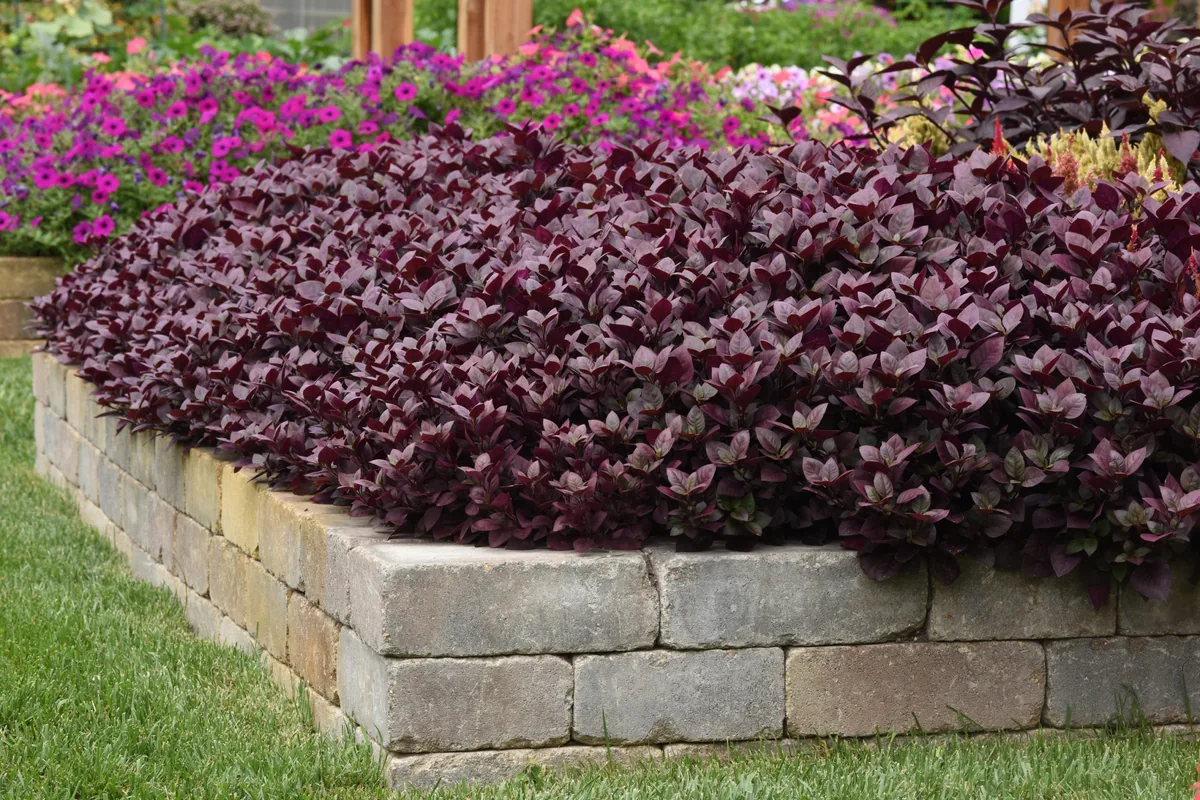
Alternanthera is a genus comprising various species known for their vibrant and diverse foliage colors, including shades of green, red, yellow, pink, and purple. These plants can range from small, mounding forms to taller, hedge-like varieties, typically reaching heights between 15 to 60 cm (6 to 24 inches). The glossy leaves make them popular choices for ornamental use in gardens and containers. Alternanthera thrives in full sun to partial shade, with the most vivid leaf colors appearing under full sun conditions. They prefer moist, organically rich, well-drained soils. Once established, these plants exhibit considerable drought and heat tolerance. Propagation is commonly achieved through stem cuttings. Cut a healthy stem segment, remove the lower leaves, and place it in water or moist soil until roots develop. This method ensures the new plant retains the characteristics of the parent. For edible species, young leaves and shoots can be harvested as needed throughout the growing season. Regular harvesting encourages bushier growth and maintains the plant's appearance.
Permaculture Functions
- Edible: Alternanthera sessilis leaves enter South and Southeast Asian stir-fries as mild greens when harvested young -- ornamental Joseph's coat cultivars may not match that chemistry, so verify species before bulk harvest.
- Medicinal: Folk records cite leaf decoctions for liver-cooling and laxative protocols in tropical Asian materia medica -- potency swings by genotype, so modern internal use demands vetted references, not patio guesses.
- Ground Cover: Prostrate selections root at nodes along humid paths, shading soil and slowing evaporation under taller shrubs -- thin mats yearly or centers hollow out while edges still look lush.
- Border Plant: Chartreuse, burgundy, and lime cultivars edge beds with color density that reads designed rather than weedy -- afternoon shade inland reduces bleaching on thinnest leaves.
- Wildlife Attractor: Dense mats shelter predatory ground beetles and spiders that hunt exposed soil pests -- flowers are inconspicuous but still pull small pollinators in warm months.
Companion Planting
Also mentioned as companions:
- Coleus
- Petunia
Not yet profiled in PermiePortal
- None known
Threats & Pressure