About
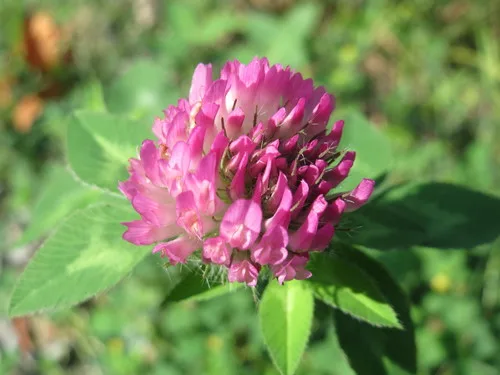
Red clover (Trifolium pratense) is a perennial forage and cover crop prized for its dense foliage and long-lasting pink-purple flower heads. It is native to Europe and western Asia and has become widely cultivated in temperate regions for soil improvement and pollinator support. Plants typically grow about 30–90 cm (12–35 in) tall and spread by both reseeding and root growth. In permaculture, red clover matters because it fixes nitrogen through root nodules, provides quick mulch biomass when cut, and extends nectar availability for beneficial insects during parts of the season when many flowering plants slow down. Full sun to partial shade; it flowers best with more light. Moderate water for establishment; once established it tolerates typical cool-season rainfall. Prefers well-drained loamy soil rich in organic matter. Avoid persistently waterlogged beds; crowns can decline. Seeds (spring sow): direct-seed or start indoors; germination often happens in 5–10 days with steady moisture. Seeds (late summer/early fall): sow to establish before winter for stronger first-year growth. Division: split mature patches in cool seasons and replant quickly for best success. For mulch: mow or cut frequently during active growth; leave residues on the surface for chop-and-drop. For pollinators: allow some patches to bloom; manage mowing height to keep flowers accessible. For forage: cut at early bloom for better balance between yield and nutrition.
Permaculture Functions
- Nitrogen Fixer: Trifolium pratense pairs with Rhizobium trifolii nodules that stay active two to four years in a mixed sward -- frost-seed into thinning grass to bump protein without plowing the whole pasture.
- Mulcher: Second-year stands cut at early pink bud yield soft stems that break down in three weeks on a vegetable bed surface -- leave six-inch stubble so crowns regrow for another nectar cycle.
- Pollinator: Long-tongued bumblebees work the pink-purple globes when white Dutch clover is too short for deep reach -- uncut strips along squash rows measurably improve fruit set where honeybees are scarce.
Companion Planting