About
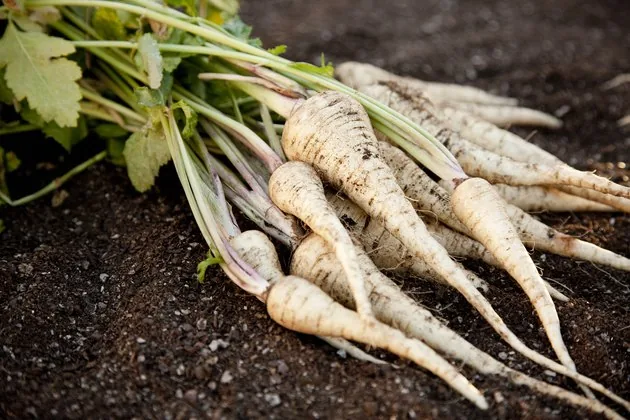
Parsnip (Pastinaca sativa) is a biennial root vegetable grown as an annual for its sweet, nutty-flavored, cream-colored taproot. It thrives in cool climates and develops the best flavor after exposure to frost. The plant grows tall with umbel-like yellow flowers in its second year, attracting pollinators and beneficial insects. Prefers full sun but tolerates partial shade. Requires consistently moist, well-drained soil. Deep watering is beneficial to encourage long root growth. Direct seeding: Sow seeds directly in the garden as they do not transplant well. Pre-soaking: Soaking seeds overnight can improve germination. Succession planting: Plant every few weeks for an extended harvest. Roots are ready for harvest 120-180 days after planting. Flavor improves after exposure to frost; best harvested late fall to winter. Can be left in the ground and dug up as needed through winter.
Permaculture Functions
- Edible: Cream Pastinaca sativa taproots sweeten after light frost converts starches, roasting into nutty wedges or mashing like potato analogs -- peel deeply around crown to remove furanocoumarin-rich green shoulders that cause phytophotodermatitis on sunny harvest days.
- Dynamic Accumulator: Deep biennial roots lift subsoil potassium and phosphorus into rosette leaves that can be cut pre-bolting for mulch -- compost tops before umbels form if you want to avoid wild carrot hybrid pollen drift.
- Erosion Control: First-year taproots drill channels through plow pans while rosette leaves armor bare winter beds -- follow with shallow-rooted greens that use the opened pore space next season.
- Wildlife Attractor: Second-year yellow umbels feed parasitoid wasps, hoverflies, and minute pirate bugs during early summer aphid peaks -- leave a few bolted plants at field ends as insectary towers if you already harvested kitchen roots.
Threats & Pressure