About
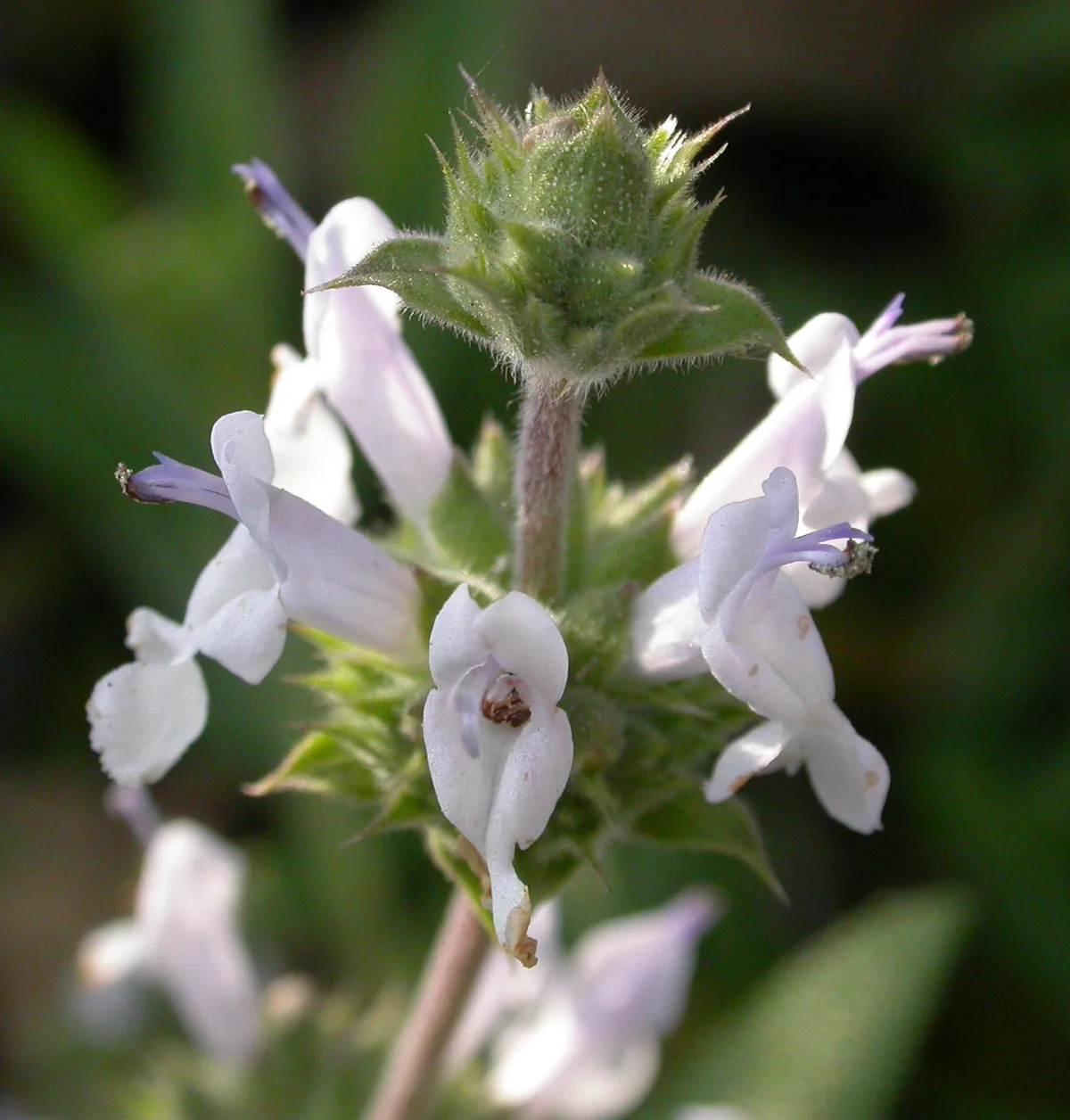
Black sage is a coastal California shrub whose resin-sweet leaves smell like chaparral honesty. It is not the default ‘Florida sage’ — humid summers can murder it without airflow, drainage, and sun. Treat subtropical and tropical Americas trials as experiments on berms with rockier soil, not as guaranteed landscape filler. Flowers feed bees; leaves have traditional medicinal uses — ID carefully and do not confuse with other salvias. Full sun. Lean, well-drained soil; drought-tolerant once established. Avoid heavy irrigation and muggy stagnation. Semi-hardwood cuttings. Seeds with warmth; can be slow. Harvest leafy tips for drying before heavy bloom if aroma/oils peak matters to you.
Permaculture Functions
- Medicinal: Salvia mellifera resin-rich leaves dry for California coastal teas and steam inhalations where camphor-sage chemistry demands low-and-slow drying -- do not confuse with culinary garden sage without scent checks.
- Pollinator: White-lipped flowers along whorled spikes feed specialist bees and hummingbirds in chaparral bloom windows -- afternoon heat concentrates nectar when fog lifts inland.
- Wildlife Attractor: Woody mounded architecture shelters quail and wrens in coastal sage scrub -- mule deer browse lightly compared with softer herbaceous understory.
Companion Planting
Threats & Pressure