About
Scorzonera (Scorzonera hispanica) is a useful perennial species in the Asteraceae family, native or long-naturalized across parts of the Americas and Eurasia depending on lineage. Mature growth is typically a herbaceous form suited to layered guilds, with reliable productivity when site conditions match its ecology. In a permaculture system it contributes food, habitat, and system resilience rather than single-crop output. Best performance comes with full sun to light partial shade, depending on heat intensity. Keep soil moisture steady during establishment, then water by seasonal demand. Well-drained fertile soil works for most upland entries, while wetland species require saturated margins. Most growth accelerates between 50°F (10°C) and 78°F (26°C), with stress rising near 92°F (33°C). Direct seeding is the simplest method where climate allows; sow at the start of the local favorable season and keep the seed zone evenly moist through germination. A second pathway is transplanting nursery starts or divisions once roots are active and temperatures are stable. Woody entries can also be established from dormant bare-root stock or grafted material for cultivar reliability. Harvest edible portions at peak maturity for intended use: leafy crops before heat stress, fruiting types at full color, root crops after starch set, and nuts or grains once fully mature and dry. For ecological functions, the strongest value appears after canopy closure, flowering, and annual residue cycling, when soil cover and habitat effects become consistent.
Permaculture Functions
- Edible: Scorzonera hispanica long black taproot shreds into matchsticks for roast or cream soup -- when dug after the first light frosts sweeten starches in cool beds.
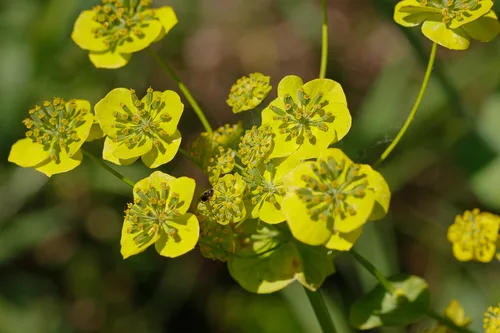
- Pollinator: Yellow daisy faces on tall wiry stems open in late season to feed bumblebees and hoverflies -- when summer annuals are already going to seed.
- Dynamic Accumulator: Deep root pulls minerals from subsoil into fall tops that can move to compost -- when you lift the whole plant for kitchen use.
Companion Planting
No companion data yet.
- Jerusalem Artichoke - aggressive tubers can outcompete scorzonera roots.
- Leek - upright growth leaves root zone available for scorzonera taproots.
- Lettuce - shallow feeder companion for efficient bed stacking.
- Calendula - insectary role plus easy chop-and-drop biomass.
Threats & Pressure