About
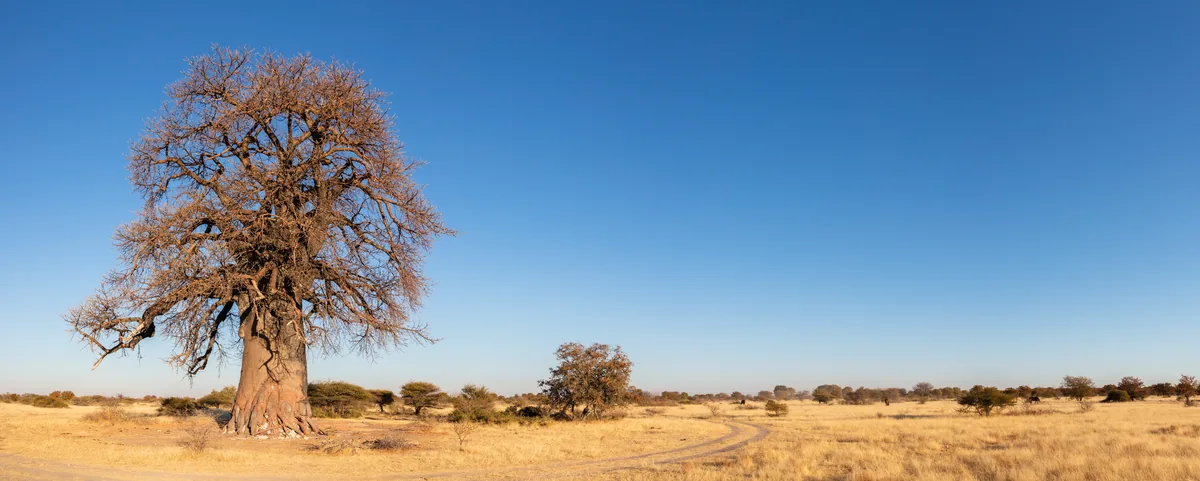
The African baobab (Adansonia digitata) is one of the iconic massive-trunked trees of dry savannas, famous for water-storing wood, palmately compound leaves, large white night-opening flowers pollinated by bats and moths, and long woody pods filled with sour, vitamin C–rich pulp around seeds. Mature specimens are landscape-scale architecture decades in the making. Dry-season discipline matches its African rhythm; wet-season humidity is fine if soil drains and roots breathe. ☀️💧 Sun and Water Requirements: - Full sun for strong form and flowering once established. - Deep, sandy-loam, well-drained soil; young trees want regular water, mature trees tolerate pronounced dry spells—never drown the caudex mentality of the root zone. ✂️ Methods to Propagate: - Seeds: nick or soak, sow warm; protect seedlings from snails and overwatering in humid Florida nights. - Grafting of known fruiting forms where available—decades are long to wait on a dud phenotype. 🌾 Harvest / Best Use Timing: - Harvest pods when woody and dry on the tree; pulp separates for drinks, sauces, and fermented experiments. - Young leaves are used as a pot herb in some traditions—moderation and sourcing clarity beat influencer trends. purpose: |- Baobab is a canopy monument with food and folklore attached. - Edible: Pulp and leaves enter regional diets; seeds yield oil in artisan chains—plan processing, not fantasy yields on a patio pot. - Medicinal: Global trade already commodified baobab powder—verify quality and ethics before rebranding yourself as a shaman. - Wildlife Attractor: Flowers target nocturnal pollinators; fruit feeds mammals and birds in native ranges. - Shade Provider: Eventually casts deep shade—understory guild must tolerate root competition. - Water Retention: Trunk architecture stores moisture through drought—design site access so compaction does not insult roots. - Ornamental: Instantly reads as “we are not in Ohio”—scale and liability match the vibe. companions: - Pigeon Pea — fast legume edge that fixes nitrogen without pretending to share the baobab’s century timeline. - Lemongrass — aromatic perimeter that tolerates sun and occasional shade at the drip line. - Sweet Potato — living soil cover outside the critical root zone if you herd the vines away from trunk flare. cautions: - None documented pests: - Scale Insects - Aphids - Mealybugs practitioner_notes: |- Leafless dry-season dormancy is normal—do not panic-water a resting adult trunk into rot. Seed coat is hard—nick or soak in warm water before sowing or germination waits months. Young plants years are shrub-sized in pots—caudex swelling accelerates once roots hit open ground. growth_habit: Massive deciduous malvaceous tree; bottle-shaped trunk in age; palmately compound leaves; large nocturnal flowers data_quality_score: 0.75 # Image attribution: Diego Delso / Wikimedia Commons / CC BY-SA 4.0 # Image source: wikimedia # AUTO-GENERATED STUB — requires Cursor Agent enrichment
Permaculture Functions
- Baobab is a canopy monument with food and folklore attached.
- Edible: Pulp and leaves enter regional diets; seeds yield oil in artisan chains—plan processing, not fantasy yields on a patio pot.
- Medicinal: Global trade already commodified baobab powder—verify quality and ethics before rebranding yourself as a shaman.
- Wildlife Attractor: Flowers target nocturnal pollinators; fruit feeds mammals and birds in native ranges.
- Shade Provider: Eventually casts deep shade—understory guild must tolerate root competition.
- Water Retention: Trunk architecture stores moisture through drought—design site access so compaction does not insult roots.
- Ornamental: Instantly reads as “we are not in Ohio”—scale and liability match the vibe.
- Pigeon Pea — fast legume edge that fixes nitrogen without pretending to share the baobab’s century timeline.
- Lemongrass — aromatic perimeter that tolerates sun and occasional shade at the drip line.
- Sweet Potato — living soil cover outside the critical root zone if you herd the vines away from trunk flare.
- None documented
- Scale Insects
- Aphids
- Mealybugs
- practitioner_notes: |-
- Leafless dry-season dormancy is normal—do not panic-water a resting adult trunk into rot.
- Seed coat is hard—nick or soak in warm water before sowing or germination waits months.
- Young plants years are shrub-sized in pots—caudex swelling accelerates once roots hit open ground.
- growth_habit: Massive deciduous malvaceous tree; bottle-shaped trunk in age; palmately compound leaves; large nocturnal flowers
- data_quality_score: 0.75
- # Image attribution: Diego Delso / Wikimedia Commons / CC BY-SA 4.0
- # Image source: wikimedia
- # AUTO-GENERATED STUB — requires Cursor Agent enrichment
companions:
cautions:
pests:
Practitioner Notes
- Leafless dry-season dormancy is normal—do not panic-water a resting adult trunk into rot.
- Seed coat is hard—nick or soak in warm water before sowing or germination waits months.
- Young plants years are shrub-sized in pots—caudex swelling accelerates once roots hit open ground.
- growth_habit: Massive deciduous malvaceous tree; bottle-shaped trunk in age; palmately compound leaves; large nocturnal flowers
- data_quality_score: 0.75
- # Image attribution: Diego Delso / Wikimedia Commons / CC BY-SA 4.0
- # Image source: wikimedia
- # AUTO-GENERATED STUB — requires Cursor Agent enrichment
Companion Planting
- Pigeon Pea — fast legume edge that fixes nitrogen without pretending to share the baobab’s century timeline.
- Lemongrass — aromatic perimeter that tolerates sun and occasional shade at the drip line.
- Sweet Potato — living soil cover outside the critical root zone if you herd the vines away from trunk flare.
Pest Pressure