About
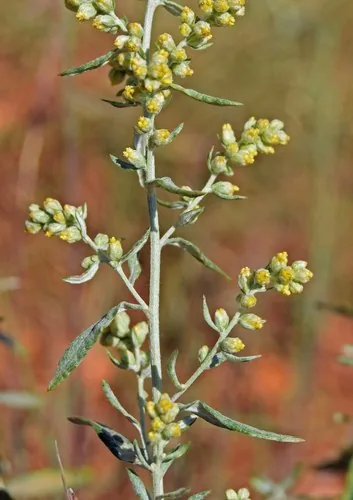
White sage is the silvery chaparral icon people smudge first and ask questions later. In humid subtropical Florida it is a diva: needs airflow, perfect drainage, and restraint on summer irrigation. Treat subtropical and tropical Americas attempts as container-or-berm experiments, not guaranteed sacred groves. Flowers feed pollinators in its native range; leaves carry strong volatile oils — harvest ethically and know fire regulations if you burn bundles. Full sun. Lean, well-drained soil; sand/gravel mixes on mounds. Deep but infrequent watering once established; summer humidity invites fungal side-eye. Seeds: can be finicky; surface sow warm. Cuttings from semi-hardwood. Harvest leafy stems respectfully and sustainably; never strip wild public land.
Permaculture Functions
- Medicinal: Salvia apiana leaves carry high 1,8-cineole resin used in Indigenous ceremony and steam inhalation -- harvest only ethical cultivated stock; wild stands are stressed by smudge-stick commerce.
- Pollinator: Tall white-lipped whorls feed carpenter bees and hummingbirds in coastal sage scrub -- bloom peaks after many spring annuals finish.
- Wildlife Attractor: Dense evergreen structure houses quail and thrashers -- nectar supports specialist insects missing from lawn deserts.
Companion Planting