About
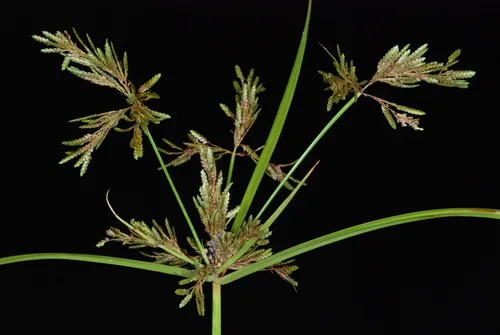
Papyrus (*Cyperus papyrus*) is the famous emergent sedge of the Nile—upright triangular stems topped with an umbrella spray of fine green rays. It is not a true grass; it roots in saturated mud or shallow water and can form dense clumps at pond edges, rain gardens, or stock tanks. Historically grown for fiber and craft; today it is mostly ornamental habitat plant that gives dragonflies, frogs, and shy fish something to brag about on social media. Treat it like a tender aquatic perennial. It sulks in hard freezes; in 8b–9a keep roots below the frost line (deeper pond margin or lift pots into a frost-free shed) or expect top-kill and slow spring comeback. Summer heat and humidity are fine—this plant was not built for cold continental winters. Full sun to light shade for the lushest growth; more shade = leggier stems. Roots want constant moisture—standing water a few inches deep is ideal; never let the rhizome dry out for long. Nutrient-rich muck is welcome; it pulls nutrients from water like a living sponge. Division of rhizome clumps in warm weather is the workhorse method. Tip cuttings of young side shoots can root in water. Seed is possible but slow and inconsistent for most home growers—division is faster than negotiating with a seed packet. Cut stems for fiber or craft trials when clumps are mature; pond maintenance timing follows your aquatic design.
Permaculture Functions
- Wildlife Attractor: Umbel tips give dragonflies stable perches; submerged stems hide gambusia and tadpoles from herons -- expect redwing blackbirds to weave nest anchors into the spray.
- Border Plant: Triangular stems to 3–5 m flag water features, rain-garden weirs, and stock tanks with instant “Nile oasis” silhouette -- contain rhizomes in liners or deep tubs outside native range so clumps do not march through valued turf.
- Water Purification: Rhizome mats and dense stem stands filter nutrients from slow water -- constructed wetlands use Cyperus papyrus to lower nitrogen and phosphorus in wastewater polishing.
Companion Planting
- Invasive floating aquatics where escape is likely (check local lists—Florida has opinions)
Threats & Pressure