About
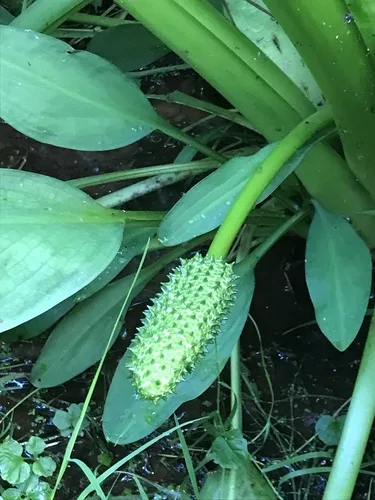
Eastern skunk cabbage (Symplocarpus foetidus) is a low-growing wetland perennial that generates heat in early spring, melting snow around spathes that emerge before leaves. Large, cabbagy leaves follow, forming dense clumps in swamps, seeps, and forested floodplains. The floral odor attracts carrion flies and early pollinators. Plants spread by rhizomes in constantly moist organic soils. It suits constructed wetlands, pond margins with stable water levels, and shaded bioswales in cool-temperate climates. Partial shade to full sun in truly wet sites; never allow rhizomes to dry during establishment. Tolerates short inundation but not prolonged anaerobic stagnation without oxygen exchange. Divide large clumps during dormancy, or start from nursery liners. Seed requires moist, cold stratification and patience. Do not consume plant parts without expert processing guidance; calcium oxalate crystals cause irritation. Manage trails to avoid compacting saturated soils around colonies.
Permaculture Functions
- Wildlife Attractor: Early inflorescences feed pollinators active in cold mud -- provides energy when few other flowers operate.
- Erosion Control: Rhizomes stabilize organic muck at pond edges -- reduces slumping where water level fluctuates seasonally.
- Ground Cover: Broad leaves shade out herbaceous weeds in wet shade -- manageable spread compared to invasive wetland species in appropriate regions.
- Ornamental: Bold leaves add tropical texture in temperate swamps -- design sightlines carefully because odor can surprise visitors at bloom.
- Water Retention: Dense root and litter layers slow runoff into pools -- supports amphibian habitat when paired with clean water inputs.
Companion Planting