About
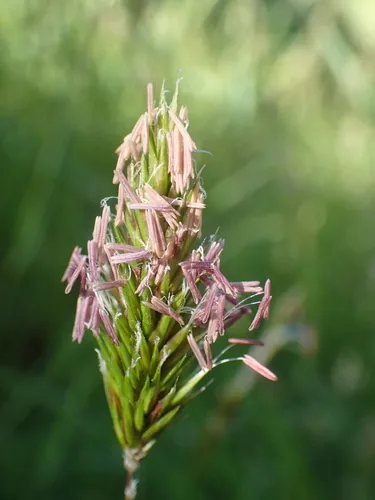
Sweetgrass (Hierochloe odorata) is a cool-season perennial grass of northern North American wetlands and moist meadows, spreading by rhizomes into aromatic mats traditionally braided and dried for ceremony and craft. Leaves emit a vanilla-like scent when crushed or dried. It prefers moist, sunny to partly sunny sites and asks for respect as a culturally significant plant—harvest ethically and legally. Full sun to light partial shade; moist soils with steady moisture through the growing season suit it best. Tolerates short dry spells once established but declines on drought berms without irrigation. Avoid stagnant, anaerobic muck; improve percolation or raise crowns slightly. Divide rhizomes in early spring; keep moist until rooted. Sow seed with cold-moist stratification for uniform germination. Harvest leaves for braiding when aromatic oils peak—follow Indigenous protocols and local regulations where applicable. Never harvest from fragile public stands without permission. Growth peaks in cool, moist periods of the year.
Permaculture Functions
- Ornamental: Hierochloe odorata bronze spring blades shine -- when dew catches sun along Great Lakes shoreline restorations planted with Indigenous ceremony partners in mind.
- Medicinal: Coumarin-scented leaves smoke in sacred bundles -- harvest only with community permission and ecological limits, not craft fair bulk bins.
- Ground Cover: Rhizomatous mats plug rain-garden swales -- thrives where turf dies because sweetgrass accepts seasonal inundation without rot.
- Border Plant: Low aromatic hedges outline teaching gardens when paths need sensory boundaries -- instead of plastic edging.
Companion Planting
- Cultural significance—avoid treating as mere “craft supply” without community context
- Rhizome spread—edge beds or accept expansion into paths
Threats & Pressure