About
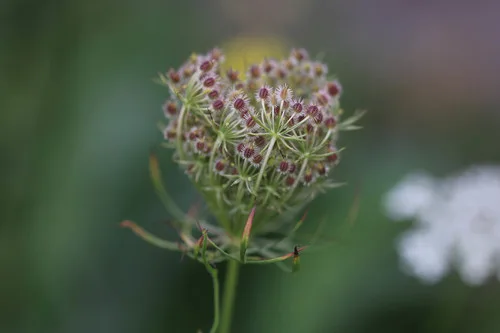
Chervil (Anthriscus cerefolium) is a cool-season annual herb with delicate, fern-like leaves and small white umbels of flowers. It’s native to Europe and western Asia and typically reaches 30–60 cm (12–24 in) tall. In permaculture, it earns its place as a “season extender” herb: it produces tender greens when many summer crops are too stressed, and it contributes nectar and flowering structure for beneficial insects. Partial shade is ideal; full sun works in cool seasons but can trigger early bolting. Keep soil consistently moist for tender leaves; drought makes the plant fibrous. Prefers rich, well-drained garden soil with compost and steady fertility. Protect from harsh freezes if young transplants are exposed. Seeds: direct-sow in early spring or in fall; germination commonly takes 10–20 days with even moisture. Seeds (succession): sow small batches every 2–3 weeks to spread harvest. Transplant (optional): start indoors, then transplant with minimal root disturbance once seedlings are sturdy. Harvest leaves regularly once plants reach 15–25 cm (6–10 in); cut often to encourage fresh growth. Use leaves fresh for salads or lightly cooked; flavor is best when the plant is young. Allow some plants to flower if you want pollinator benefit and seed later.
Permaculture Functions
- Edible: Delicate anise-scented leaves for cool-season salads and fines herbes -- before heat turns them stringy.
- Medicinal: Apiaceous volatile oils show up in old European herbals as a mild digestive bitter and topical wash -- for irritated skin.
- Pollinator: Small white umbels open in waves and supply nectar to tiny bees and syrphid flies -- when many summer vegetables are not in bloom.
Companion Planting