About
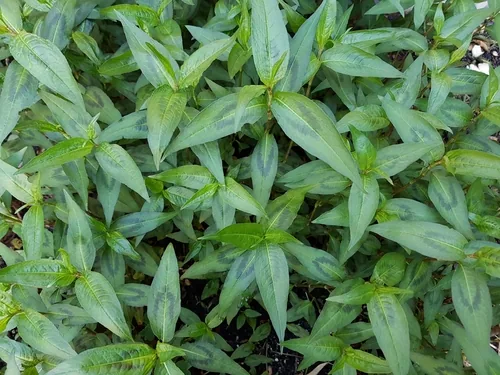
Vietnamese coriander is the cilantro substitute that laughs at heat — long leaves with dark chevrons, punchy aroma, and a love of moisture that makes it a pond-edge herb in permaculture stacks. Spreads by runners; contain mentally. subtropical and tropical Americas: dies back in hard frost, often returns from roots in 9b with mulch. Part sun to light shade in brutal summers; full sun ok if soil stays moist. Rich, wet-to-moist, well-drained soil; dries fast in pots on hot patios. Mulch to buffer roots from temperature whiplash. Cuttings: root in water or damp soil anytime it's warm. Division: split rooted runners in spring when actively growing. Snip tender Vietnamese Coriander growth in cool mornings for best texture -- heat-stressed leaves taste like their day job. Flowers at full color for peak volatiles; seeds when pods rattle but before they self-sow across paths. Dry herbs in thin layers; deep piles steam themselves into compost.
Permaculture Functions
- Edible: Persicaria odorata leaves carry a hot coriander-lime oil that survives pho-simmering where true cilantro collapses -- dark chevron marks flag the correct selection; strip tender tips for laksa and green papaya salad.
- Medicinal: Vietnamese and Malaysian kitchens use leaf tea for gut upset after rich meals -- oxalate load is non-trivial in big daily salads; kidney-stone formers should track volume like spinach, not like lettuce.
- Wildlife Attractor: Tiny white spikes open on mature stems if you skip constant shearing, feeding syrphid flies in wet-season heat -- flowers are brief; value is mostly foliage harvest, so leave one end of the row to bloom if you want egg-laying hoverflies.
Field Observations
- No field observations yet
Companion Planting
- Droughty rock gardens without irrigation regret
- Letting runners invade precious dry beds
Threats & Pressure