About
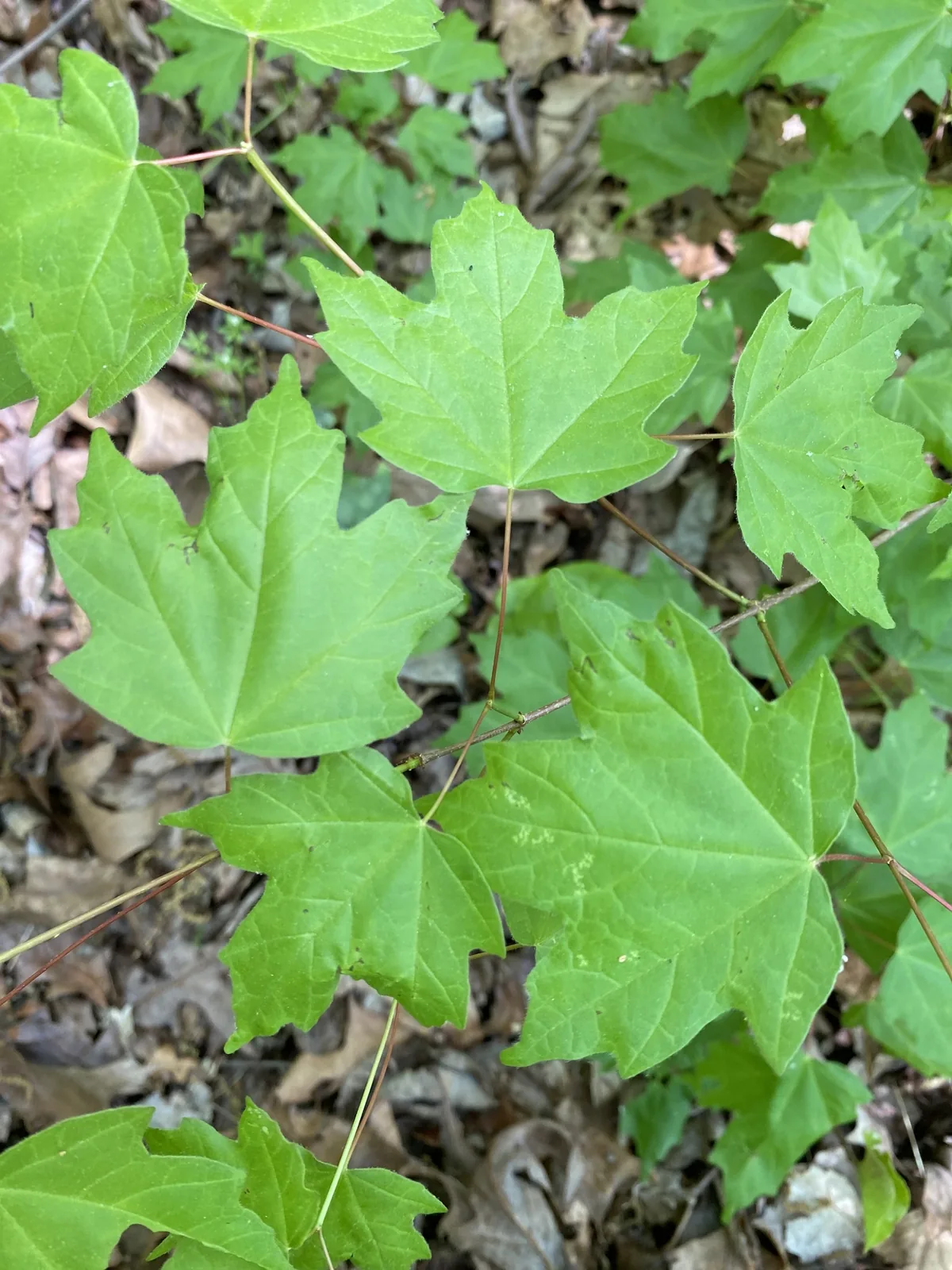
Chalk maple (Acer leucoderme) is a small deciduous tree of dry limestone and chalky soils in the southeastern United States, forming a rounded crown typically 20–35 feet (6–11 m) with smooth pale bark on younger trunks and three-lobed leaves reminiscent of sugar maple but smaller. It is a drought-tough native for rocky savannas, parking-lot islands with depth, and oak understories where alkaline pockets appear. Fall color varies from soft yellow to orange in cool years. Full sun to partial shade; tolerates heat better than many maples when roots are mulched and established. Well-drained, alkaline to neutral soils are its specialty; performs poorly in acidic peat bogs. Drought-tolerant relative to swamp maples once taproots develop. Sow fresh seed after stratification; germination can be irregular. Graft or bud selected forms onto seedling rootstocks. Transplant young trees during dormancy; protect trunks from sunscald in open sites. Sap sugar is low—this is not a syrup species for most sites. Enjoy ornamental bark and fall color; collect local seed for restoration genetics. Prune for clearance in late winter; avoid heavy summer cuts that stress heat-loaded trees.
Permaculture Functions
- Wildlife Attractor: samaras spin to soil for rodents -- while early spring flowers feed bees on dry limestone barrens before canopy closes over companion oaks.
- Shade Provider: small rounded crown casts dappled shade over redbud and sedum understory on alkaline ridges -- where deeper shade species would stall from high pH and drought.
- Ornamental: smooth pale bark and small three-lobed leaves give refined native structure to parking islands and formal entries -- that mimic southeastern chalk glades.
- Mulcher: deciduous leaves fall with higher calcium loads than acid peat species -- feeding soil buffers on limestone sites when left as whole-leaf mulch under driplines.
Companion Planting
Also mentioned as companions:
- Texas Oak
- Redbud
- Juniper
Not yet profiled in PermiePortal
- Compacted urban pits — slow establishment unless root ball is wide and mulch is generous
- Overirrigation on clay — root rots in constantly soggy winter soils
Threats & Pressure