About
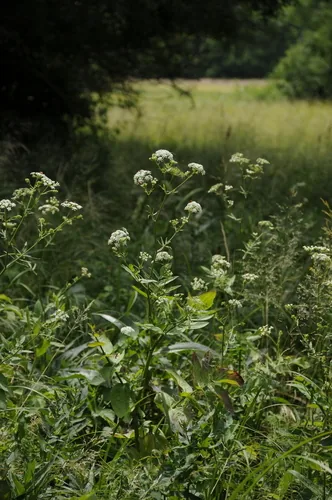
Skirret (Sium sisarum) is an old European root vegetable in the carrot family: clumps of narrow pinnate leaves and clusters of small white umbel flowers, with sweet, pale roots that split like unruly parsnips underground. Expect leafy tops about 2–4 feet and harvestable roots after a season of steady growth. Cool-season temperament in hot-climate audiences: treat it as a winter–spring crop or microclimate experiment where summers turn hot and humid—shade, mulch, and fast drainage reduce bolting and rot. Lowland tropics are even less forgiving; treat it as a curiosity in elevated, cooler pockets or grow true tropical starches instead. Full sun to light afternoon shade in hot districts; roots need loose, deep, organic-rich soil. Consistent moisture without sogginess; mulch to buffer downpours in the wet season and reduce cracking in dry spells. Divide mature crowns in late winter or early spring while dormant; replant pieces with buds and keep moist until established. Sow seed in the coolest planting window your site offers in a fine seedbed; thin to strong spacing so roots size up. Dig roots after tops begin to yellow or after a light frost where frost exists; in frost-free areas, harvest when foliage starts to decline in late cool season. Scrub, peel if woody, then roast, mash, or fry—texture lands somewhere between parsnip and potato if the plant liked you.
Permaculture Functions
- Edible: Sium sisarum clustered sweet roots boil like water chestnuts once woody cores peel away -- heirloom European plots still prize the honeyed starch through cool summers.
- Ground Cover: Dense pinnate clumps exclude chickweed between wide-spaced rows -- when you mulch heavy after harvest lifts.
- Water Retention: Mulched perennial mats slow rain splash on loose vegetable berms -- while fibrous feeder roots sponge irrigation into the crowns.
Companion Planting
Threats & Pressure