About
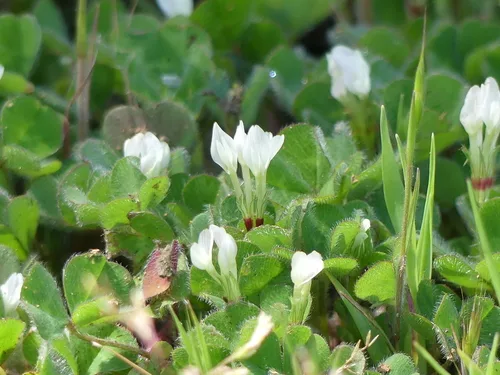
Subterranean clover (Trifolium subterraneum) is a self-seeding annual or short-lived perennial clover known for its ground-level flower heads and seed development that can occur near/under the soil surface. It is native to the Mediterranean region and is widely grown as a cool-season cover crop. Plants typically grow 10–30 cm (4–12 in) tall with a spreading habit that forms a dense mat when conditions are right. In permaculture, it matters because it turns seasonal “bare ground time” into nitrogen-rich living cover and thick mulch residue, improving soil structure and helping suppress weeds. Full sun for strongest growth and ground cover density. Moderate water for germination and establishment; once established it tolerates typical cool-season rain. Prefers well-drained soil; waterlogged sites reduce vigor. In hot climates, manage with summer ground cover or mulch to protect soil biology. Seeds (autumn sow): direct-sow; germination often takes 4–10 days with consistent moisture. Seeds (managed stand): overseed into existing beds for renewed cover without full replanting. Re-seeding management: allow a portion to set viable seed where you want next season’s cover. For mulch/green manure: cut or mow during active growth before seed heads fully mature. Leave residues on the surface as chop-and-drop to feed soil life. If you want more seed: allow plants to complete their cycle and manage spread.
Permaculture Functions
- Nitrogen Fixer: Trifolium subterraneum buries seed heads underground so pods self-reseed -- while rhizobia bank nitrogen for the following cereal row without tillage passes.
- Ground Cover: Prostrate stems tile vineyard middles and almond orchards -- where summer drought would crisp upright clovers.
- Mulcher: Flash-growth tops mow into thin green mulch that breaks down -- before autumn rains germinate weed banks.
Companion Planting