About
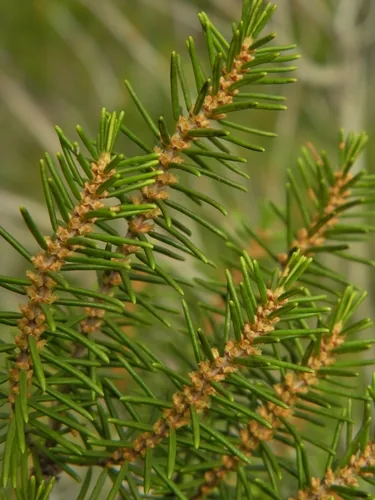
Pineland heather (Ceratiola ericoides) is an aromatic evergreen shrub of deep sandy scrub, with needle-like leaves that smell resinous when crushed and a rounded form usually 3–6 feet (0.9–1.8 m) tall. It is not a culinary rosemary despite one common name—think ericaceous chemistry and habitat specialization. In xeric permaculture it anchors sandhill plantings, supports native bee and specialist insect relationships, and refuses to pretend it enjoys lawn sprinklers. Full sun and excellent drainage are non-negotiable; shade yields sparse, uneven plants. Pure sand or sandy gravel with low fertility matches native sites. Drought-tolerant; irrigation should mimic summer thunderstorms, not perpetual soggy mulch. Difficult from cuttings for beginners; seed after appropriate treatments per native-plant guides. Avoid heavy root disturbance when transplanting container plants. Prune lightly to shape; hard shearing removes interior buds slowly. Not a food crop—handle as habitat and ornamental. Growth pulses follow warm wet periods. Collect seed ethically only where regulations and population health permit.
Permaculture Functions
- Wildlife Attractor: Ceratiola ericoides resinous stems feed specialist bees and provide dense cover for Florida scrub-jays and small reptiles on deep sand -- do not substitute random rosemary ecotypes if conservation genetics matter.
- Erosion Control: Fine ericoid roots bind steep sugar-sand faces where heavier hardwoods would shear off in summer wet -- pair with wiregrass and palmetto for authentic scrub structure instead of lone specimens on clay fill.
- Ornamental: Needle foliage reads rosemary-cool from a distance while staying native to southeastern sandhills -- chemistry is ericaceous, not culinary-rosemary safe for kitchen substitution without ID certainty.
- Border Plant: 1–2 m rounded shrubs mark dry garden rooms, trailheads, and firewise buffers where sprinklers stay off -- allelopathic roots mean keep thirsty vegetables upslope in different soil volumes.
Companion Planting
- Allelopathic tendencies—avoid pairing with moisture-loving vegetables in the same root zone
- Wet soils and heavy clay — decline and dieback without drama, just outcome