About
Tomato (Solanum lycopersicum) is a warm-season plant grown for its juicy fruits eaten fresh, cooked, or preserved. It originated in tropical regions of the Americas and is now cultivated worldwide. Plants typically reach 60–180 cm (2–6 ft) depending on variety and support, producing flowers that self-pollinate and fruits that ripen over a season. In permaculture, tomato earns its spot because it converts summer sun into high-calorie harvests, provides flowering resources for beneficial insects, and fits naturally into compost and mulch systems that maintain soil moisture and reduce stress. Full sun for best flowering and fruit ripening. Water deeply and consistently; uneven watering can cause cracking and blossom-end issues. Prefers fertile, well-drained soil enriched with compost and organic mulch. Avoid keeping foliage constantly wet to reduce disease pressure. Seeds: start indoors 6–8 weeks before transplanting; germination commonly occurs in 5–10 days in warmth. Transplanting: move seedlings after danger of frost and when soil is warm; bury stems to strengthen roots if appropriate. Optional: succession sow small batches to spread harvest and reduce risk. Harvest when fruits are fully colored and slightly soft; pick regularly to keep plants producing. Refrigerate only if needed; flavor is best when fruit ripens off the vine for short periods. Remove and compost diseased leaves away from the bed when issues appear.
Permaculture Functions
- Edible: Indeterminate vines keep setting fruit until frost if you pick ripe clusters weekly -- paste types reduce to thick sauce on the stove without extra thickeners, cherry types split for sun-dried halves on screens.
- Medicinal: Cooked fruit and seed oil carry lycopene and carotenoids that fat helps absorb -- food-medicine here is the daily plate, not a capsule substitute for varied diet.
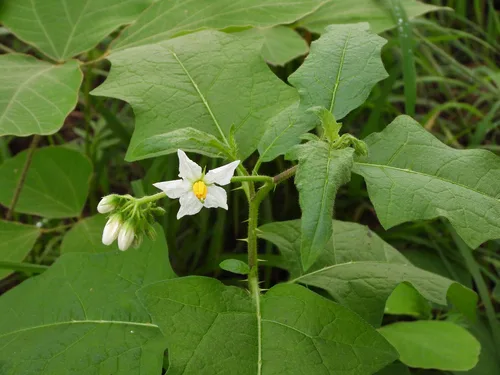
- Pollinator: Yellow anthers buzz-release pollen for bumblebees -- tiny sweat bees work the same flowers on calm mornings when nightshade rows sit beside open weedy margins.
- Pest Management: Strong scent from hairy leaves confuses some host-finding moths when tomatoes sit in mixed beds with basil and alliums -- the real win is even moisture and mulch that prevent blossom-end rot and aphid explosions on stressed plants.
Companion Planting
Threats & Pressure