About
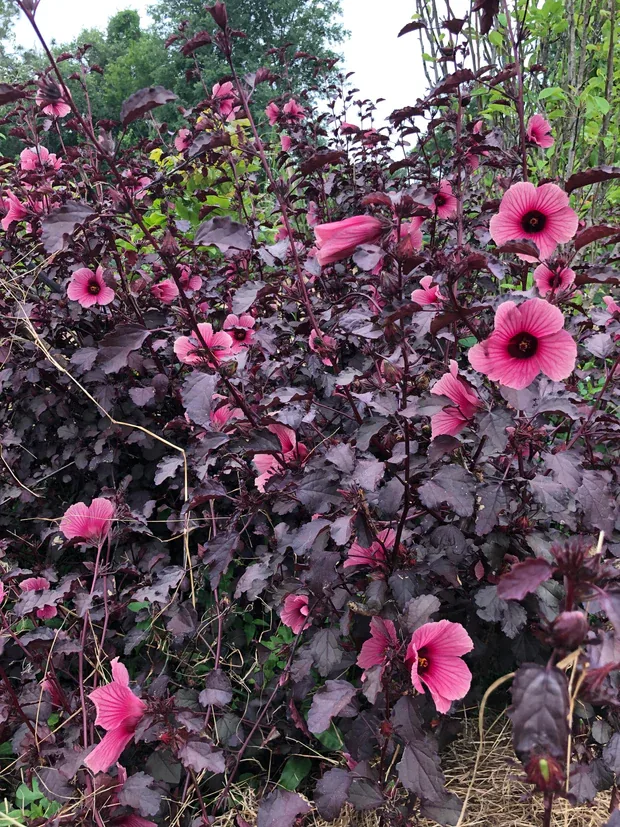
Cranberry Hibiscus is a fast-growing perennial shrub that reaches 1.5-2 meters (5-7 feet) in height. It is known for its striking deep burgundy, maple-like leaves and bright pink to red flowers. Unlike Roselle (*Hibiscus sabdariffa*), the flowers of Cranberry Hibiscus are not commonly used for tea, but the young leaves are edible and have a tart, lemony flavor. This plant thrives in warm climates and is commonly grown as an ornamental due to its vibrant foliage. Cranberry Hibiscus prefers full sun but can tolerate partial shade. It thrives in well-drained, moderately fertile soils with regular watering. While it is somewhat drought-tolerant, consistent moisture improves growth and leaf production. Cranberry Hibiscus is best propagated through seeds or stem cuttings. Directly sow seeds in warm soil after the last frost, or start them indoors 6-8 weeks before transplanting. Cuttings taken from mature stems root easily in moist soil. Leaves can be harvested throughout the growing season when young and tender for fresh use in salads or cooking. Flowers bloom in late summer to fall and can also be collected for ornamental use. The plant often reseeds itself if allowed.
Permaculture Functions
- Edible: Young burgundy maple-shaped leaves read sorrel-sour in salads and purple rice -- cook older leaves like grape leaves; this is Hibiscus acetosella, not the calyx crop of true roselle (H. sabdariffa).
- Medicinal: Anthocyanin-rich leaf pigment is why traditional teas target “cooling” and inflammation comfort -- same hibiscus-family cautions for pregnancy and low blood pressure apply until your clinician says otherwise.
- Pollinator: Pink-red hibiscus blooms open wide enough for carpenter bees to crawl inside on humid September afternoons -- when goldenrod is tall but your bed is still knee height.
- Wildlife Attractor: Hibiscus sawfly larvae skeletonize leaves overnight -- that damage also concentrates bird attention on protein snacks if you tolerate imperfect leaves.
- Mulcher: Soft stems frost-kill into a mat you rake into beds as winter organic matter that breaks down -- before spring beans go in.
- Dynamic Accumulator: Mid-season leaf samples show more potassium gram-for-gram than neighboring okra leaves on the same drip line -- chop-and-drop after flowering if reseeding is unwanted.
- Border Plant: Upright 5-7 ft burgundy wall screens compost piles from the street side -- while staying thinner than a clumping bamboo screen.
Companion Planting
- None known
Threats & Pressure