About
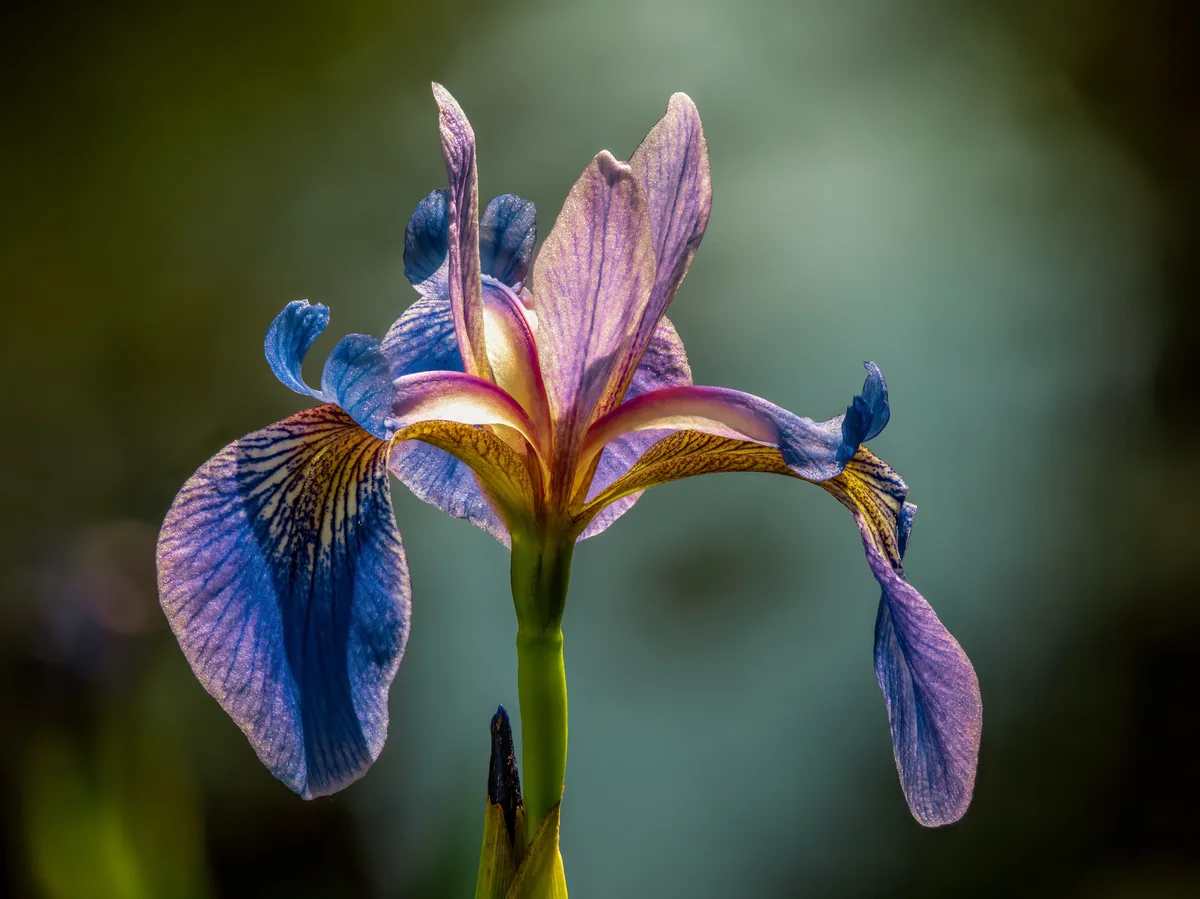
Iris virginica is the wetland iris that actually belongs in soggy swales, pond margins, and rain gardens that other perennials ghost. Sword leaves, classic iris flowers in blue-purple tones, and a high tolerance for fluctuating water levels compared to your average landscape blob. Full sun to light shade; blooms best with good light. Moist to shallow standing water; do not maroon it on a dry sand hill. Rich organic muck or loam beats pure compaction. Division of rhizomes in late summer or early fall. Seeds: stratify and be patient — iris from seed is a slow novel. Ornamental / ecological use — leave flowers for pollinators unless you have a specific craft plan and local ethics covered.
Permaculture Functions
- Ornamental: Iris virginica holds classic blue-violet falls above sword leaves in wet sun -- so pond margins look planted on purpose instead of like accidental ditch volunteers.
- Wildlife Attractor: Large bees and syrphids crawl the falls for nectar -- while the clump roots underwater stems that shelter tadpoles at the mud line.
- Erosion Control: Rhizomes weave through saturated muck on pond lips and bioswale bottoms, binding soil -- that sheet flow would otherwise peel off each storm.
Companion Planting
Good Neighbors
Cautions
- Dry berms and xeriscape cosplay
- Deep permanent shade — fewer flowers, more drama