About
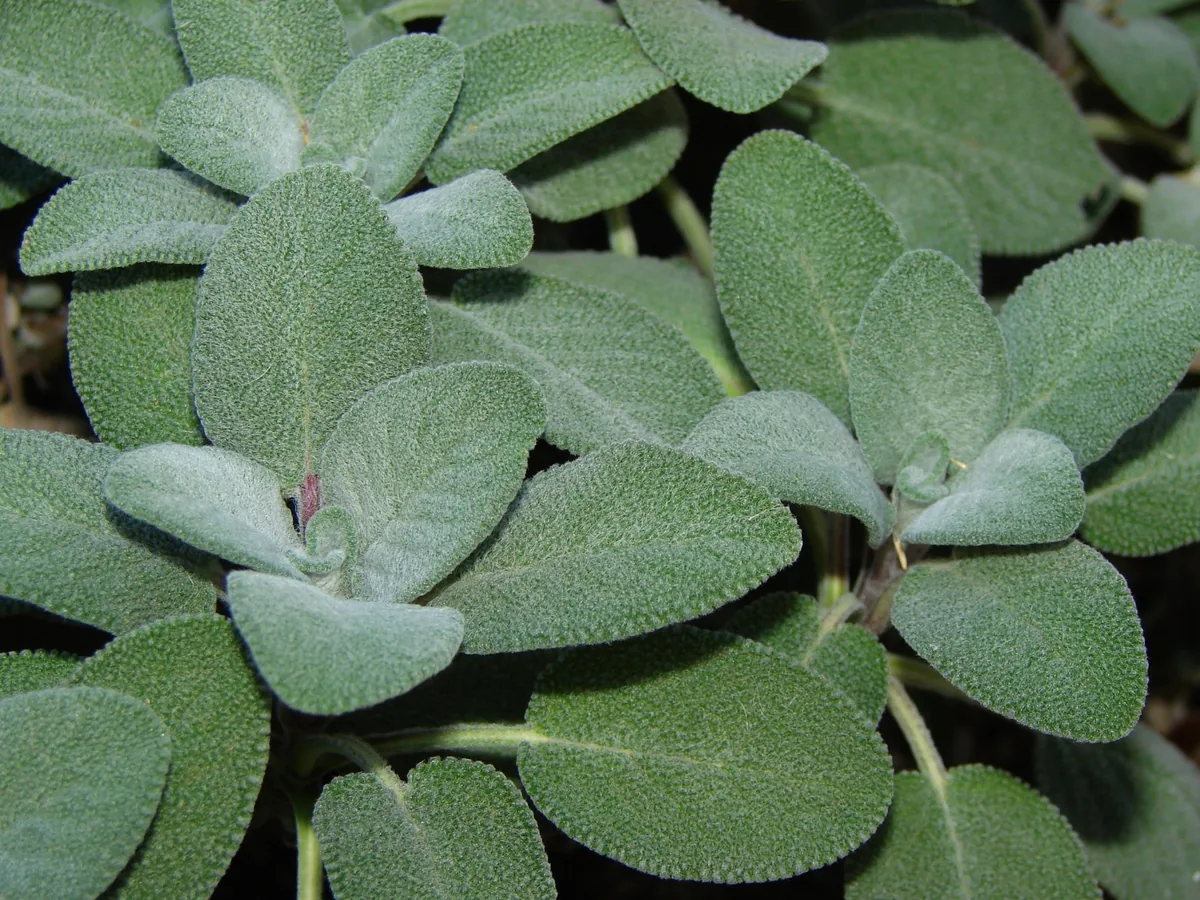
Sage (Salvia officinalis) is a hardy, woody-stemmed perennial herb known for its aromatic gray-green leaves and purple-blue flowers. It grows in a bushy, compact form, reaching about 30-60 cm (12-24 inches) in height. Sage is a drought-tolerant plant that thrives in well-drained soil and full sun. It has a long history of culinary and medicinal use, particularly for flavoring meats and teas. The plant attracts pollinators such as bees and butterflies while also repelling common garden pests. Prefers full sun (at least 6 hours per day). Requires well-drained, sandy or loamy soil. Drought tolerant once established; water sparingly to prevent root rot. Seeds: Slow to germinate; best started indoors before the last frost. Cuttings: Take softwood cuttings in spring or summer and root in moist soil. Division: Older plants can be divided in early spring or fall. Harvest leaves once the plant is established, typically in its second year. Best harvested in the morning when oils are most concentrated. Flowers can also be harvested for teas or garnishes.
Permaculture Functions
- Edible: Salvia officinalis leaves harvested before bloom carry the highest volatile oil -- dry or freeze bundles for poultry, fatty cuts, brown butter, and herb salt through the cool season.
- Medicinal: European materia medica uses leaf infusions for throat comfort and digestion support -- thujone-like compounds exist; confirm current references and pregnancy status before medicinal daily use.
- Pollinator: Late-spring spikes of hooded lavender-blue flowers line up with mason bees and bumble queens -- when many early bulbs are finished.
- Wildlife Attractor: Fragrant nectar rewards long-tongued bees -- while aromatic oils make the foliage less attractive to generalized leaf chewers than plain lettuce.
- Border Plant: Woody subshrub habit and silver foliage read as a knee-high hedge between paths and vegetable blocks -- without shading low crops.
- Pest Management: Strong-scented foliage shows up in companion charts for cabbage and carrot rows where confusion about distance still matters -- test spacing on your site instead of trusting memes alone.
Threats & Pressure