About
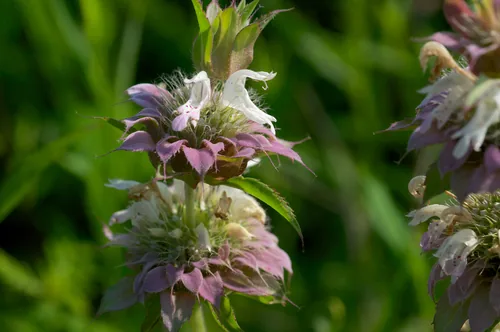
Lemon beebalm (Monarda citriodora) is an aromatic mint-family annual or short-lived perennial of central North American prairies and roadsides, bearing stacked whorls of pink to lavender tubular flowers with citrus-scented foliage. Height is commonly 2–3 feet (0.6–1 m). It excels in pollinator strips, herb gardens, and meadow edges where soil drains between rains and airflow exists to temper mildew’s ego. Full sun for strongest bloom; afternoon shade helps in hottest deserts if humidity exists. Average to lean, well-drained soils; tolerates drought better than swamp monardas. Avoid soggy clay that rots crowns while you blame the cultivar. Sow seed outdoors after frost risk; readily self-sows where happy. Divide short-lived clumps in cool weather if crowns expand. Cut back after bloom to refresh basal growth where mildew visited. Pick young leaves for tea before flowering for brightest lemon note; leave plenty for pollinators. Collect seed when heads brown if you want controlled replanting. Deadhead if volunteers offend your symmetry.
Permaculture Functions
- Edible: Monarda citriodora leaves steep into citrus-mint tea and simple syrups -- harvest young foliage before powdery mildew spots appear, and confirm identity because look-alike mints vary in chemistry.
- Medicinal: Like other Monarda, leaves enter traditional cold-care teas for diaphoretic support -- keep food-medicine doses moderate and avoid stacking with other strong mint-family extracts without guidance.
- Pollinator: Stacked whorls of pink-lavender tubes feed bumblebees, swallowtails, and hummingbirds in prairie heat -- plant drifts so pollinators cruise a corridor instead of isolated stems.
- Ornamental: Vertical inflorescences add layered color between knee-high grasses -- shear after bloom if mildew makes leaves ugly, and reseed next year because stands behave annual in hottest zones.
Companion Planting
- Powdery Mildew — still possible on congested growth; prune and space for airflow
- Aggressive self-seeding — edit early if paths matter
Threats & Pressure