About
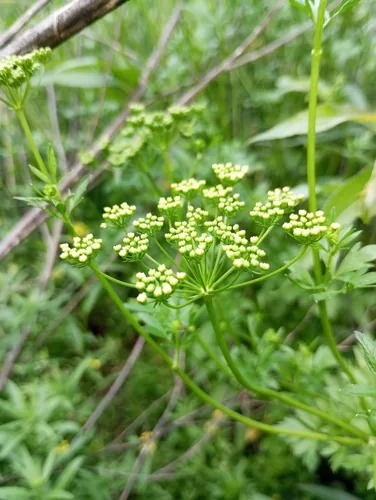
Parsley (*Petroselinum crispum*) is a hardy biennial herb, typically cultivated as an annual, belonging to the Apiaceae family. Native to the Mediterranean region, it features bright green, pinnate leaves that can be either curly or flat, depending on the variety. The plant forms a rosette of leaves in its first year and, if allowed to overwinter, produces umbels of small, yellowish-green flowers in its second year. Parsley is renowned for its fresh, slightly peppery flavor and is a staple in various culinary traditions. Parsley is primarily propagated from seeds. Sow seeds 0.6 to 1.2 centimeters (0.25 to 0.5 inches) deep in well-draining soil. Germination can be slow, often taking 14 to 30 days. To expedite the process, soak seeds in warm water for 24 hours before planting. Thin seedlings to 15 to 20 centimeters (6 to 8 inches) apart to allow adequate air circulation and growth. Parsley thrives in full sun to partial shade, requiring at least 6 hours of sunlight daily. It prefers moist, loamy, well-turned soil rich in organic matter. Regular watering is essential to maintain consistent soil moisture, but ensure the soil is well-drained to prevent root rot. Mulching around the base of the plants helps retain soil moisture and regulate temperature. Begin harvesting parsley once the plant has developed a sufficient number of mature leaves, typically 70 to 90 days after sowing. Harvest by cutting the outer leaves at the base, allowing the inner leaves to continue growing. Regular harvesting encourages bushier growth. For optimal flavor, pick leaves in the morning before the sun's heat diminishes their essential oils.
Permaculture Functions
- Edible: Petroselinum crispum flat or curly rosettes supply apiaceous snap to tabbouleh, chimichurri, and stock bouquets -- second-year umbels yield tasty flowers for pollinators if you sacrifice leaf harvest on chosen plants.
- Medicinal: Fresh leaf and root tinctures appear in European diuretic and kidney-comfort materia medica lines -- apiol-rich seed oil is historically abortifacient; keep medicinal use inside trained guidance, especially around pregnancy.
- Ground Cover: Biennial rosettes shade soil between tomatoes, alliums, and brassicas when sown thick -- shallow roots mean easy hand-weeding replacement when plants bolt in heat.
Threats & Pressure