About
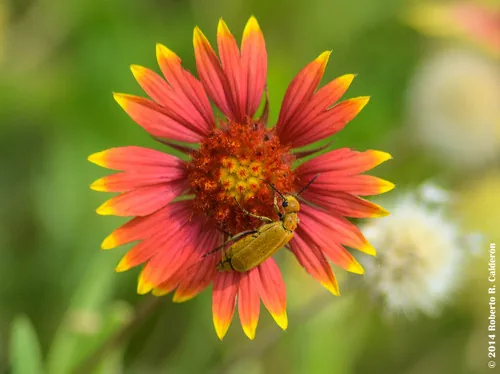
Blanket flower (Gaillardia aristata) is a showy, drought-tolerant perennial wildflower from the Great Plains of North America, widely grown in gardens for daisy-like blooms with red-brown centers and yellow-tipped ray petals. Plants form low clumps of hairy gray-green leaves and typically reach 30–60 cm (12–24 inches) tall in bloom, with a similar spread. Full sun (6+ hours) for strongest flowering; leggy growth in shade. Well-drained soil; highly drought-tolerant once established. In subtropical and tropical Americas, avoid constantly wet roots during humid wet season; raised beds or sandy mix reduce rot risk. Water deeply but infrequently during establishment; mature plants tolerate dry spells. Seeds: Sow indoors 6–8 weeks before last cool period or direct-sow after soil warms; germination in about 2–3 weeks. Division: Split mature clumps in late winter or early spring before strong growth resumes; replant immediately and keep moist until rooted. Cut flowers for bouquets when petals are fully open. Deadhead spent blooms to prolong flowering in warm months. Leave some seedheads if you want self-sowing and finch feed.
Permaculture Functions
- Pollinator: Gaillardia aristata holds daisy heads of yellow-tipped rays for weeks in full sun -- so small bees and daytime butterflies keep working a bed while mid-summer gaps open elsewhere.
- Wildlife Attractor: Finches and sparrows strip dry disk heads in fall if you leave a few stems uncut -- low foliage also hides ground beetles along path edges.
- Ornamental: Red-brown centers against yellow margins read clean from a distance -- helps mark dripline zones on berms without irrigation-heavy turf.
- Ground Cover: Basal rosettes spread into tight clumps that shade soil between plants -- mass plugs on a slope to buffer rain splash.
Companion Planting
Threats & Pressure