About
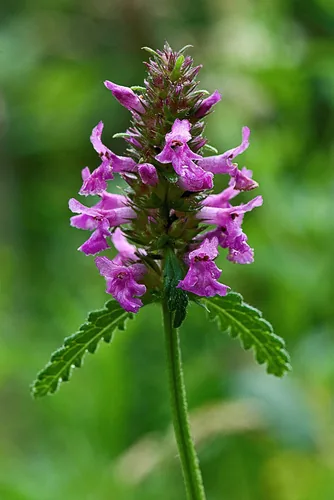
Betony (Stachys officinalis) is a clump-forming mint-family perennial from Europe, naturalized in parts of North America. Basal rosettes send up square stems roughly 1–2 feet tall topped with dense spikes of magenta-pink tubular flowers attractive to bees. Leaves are softly textured and often slightly wrinkled, with a tidy habit in good drainage. subtropical and tropical Americas lowlands treat it as a cool-season or north-Florida candidate—humid subtropical summers invite mildew unless sited with morning sun, afternoon relief, and ruthless airflow. Puerto Rico highlands may behave more kindly than steamy coasts. Full sun in cool summers; light afternoon shade where heat spikes above its European comfort. Average, well-drained loam; tolerates moderate drought once established—wet clay in August is fungal summer camp. Division in spring or fall—split crowns with a sharp knife and replant promptly. Seeds: surface sow in spring; germination moderate—label trays so you do not confuse betony with actual mint chaos. Harvest flowering tops at early full bloom for drying; strip leaves for tea earlier if that is your use case. Leave late spikes for pollinators if you are not running a commercial drying operation—bees pay rent too.
Permaculture Functions
- Medicinal: Stachys officinalis flowering tops dry for European nervine and head-tension teas where alkaloid load stays mild compared with concentrated extracts -- pregnancy contraindications still appear in modern monographs.
- Pollinator: Magenta-lipped tubes line vertical spikes for long-tongued bumblebees after spring bulbs fade -- deadheading redirects energy if mildew already claimed lower leaves in humid summers.
- Border Plant: 30-60 cm spikes punctuate cottage rows without mint-stolon chaos swallowing paths -- afternoon shade inland cuts powdery mildew pressure versus baking midday sun.
- Ground Cover: Evergreen basal rosettes tile bare niches between taller perennials when clumps expand slowly -- foot traffic tolerance is light, not stadium-grade.
- Ornamental: Crinkled leaves and stacked pink wands read honest cottage -- pair with yarrow for complementary texture without matching water needs stupidly.
Companion Planting
Threats & Pressure