About
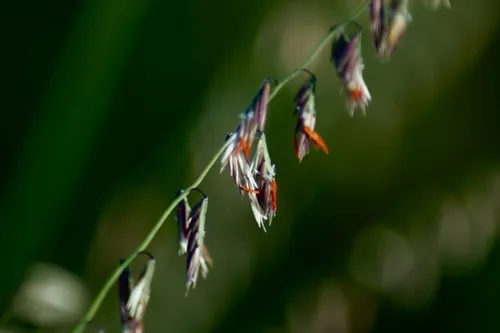
Sideoats grama (Bouteloua curtipendula) is a warm-season bunchgrass of North American prairies and rocky slopes, famous for oat-like spikelets hanging to one side of arching stems, usually 1–3 feet (30–90 cm) tall. It thrives in sun and lean soils, providing high-quality native forage and ornamental finesse in meadow mixes. Deep roots tolerate drought once established, while aerial seed stalks catch light like copper jewelry. Full sun for flowering and upright habit; shade reduces seed production. Well-drained, average to lean soils suit it; tolerates alkaline rocky sites. Water to establish; avoid chronic irrigation that invites weeds. Sow seed in warm soil after frost risk. Divide bunches in spring if needed. Cut back old growth in late winter. Collect seed when spikelets dry tan for restoration mixes. Leave standing for birds through winter if allowed. Peak growth follows summer heat.
Permaculture Functions
- Erosion Control: Bouteloua curtipendula crowns bind shale cuts and prairie berms -- where shallow-rooted annual covers wash away after one thunderstorm.
- Wildlife Attractor: Seeds dangle like earrings for sparrows -- while larval skippers chew leaf bases inside humid clumps.
- Ornamental: Pendant spikelets flash copper against bluestem mixes -- when backlight hits midsummer prairie plantings.
- Biomass: Straw-colored tops fold into nitrogen-light mulch after seed drop -- for growers who leave standing hay through winter for structure.
Companion Planting
- Wet clay — poor performance and rot compared with sandier brethren
- Overfertilization — weeds outcompete lean-grass philosophy
Threats & Pressure